
What Makes a Tasting Menu Restaurant Worth Booking?
Introduction
A tasting menu is not simply a longer meal. At its best, it is a guided dining experience shaped by timing, technique, atmosphere, and intention. Guests are not only choosing what to eat; they are trusting a kitchen to lead them through a sequence of flavors, textures, and ideas. That trust is what makes the decision to book meaningful. A restaurant must show that every course has a purpose, every transition feels considered, and every detail supports the same culinary point of view.
The strongest tasting-menu restaurants understand that value does not come from course count alone. A meal can have many plates and still feel scattered. Another can have fewer courses and leave a deeper impression because the progression is clear, the ingredients are expressive, and the service knows when to explain and when to let the food speak. For diners weighing whether a reservation is worth the effort, the real question is whether the restaurant can turn dinner into a complete experience rather than a collection of separate dishes.
The Importance of a Clear Culinary Vision
A memorable tasting menu begins with a defined culinary vision. This vision gives shape to the meal and prevents the experience from feeling random. It may come through seasonal produce, regional influences, modern technique, or a chef’s personal interpretation of familiar ingredients. Whatever the approach, guests should sense a guiding idea from the first course to the final bite.
Without that sense of direction, a tasting menu can feel decorative rather than meaningful. Beautiful plating alone is not enough. Each course should reveal something about the restaurant’s identity, whether through restrained elegance, bold flavor building, unexpected ingredient pairings, or a careful balance between comfort and surprise. The best menus do not chase novelty for its own sake. They use creativity to deepen the dining experience.
Progression Makes the Meal Feel Complete
Progression is one of the clearest signs that a tasting menu has been thoughtfully designed. A strong menu does not begin and end at the same level of intensity. It moves. Lighter courses may introduce freshness and acidity, while later dishes bring greater depth, richness, or complexity. Textures shift. Temperatures change. Familiar flavors may return in new forms. This movement creates momentum and keeps the meal from feeling flat.
A well-paced progression also respects the guest’s attention. Too many heavy courses too early can dull the palate. Too many delicate dishes without contrast can make the experience feel incomplete. Restaurants that understand pacing create a rhythm that feels natural, almost musical, with small pauses and thoughtful transitions between each stage of the meal.
Which Tasting Menu Restaurant Best Demonstrates These Qualities?
A tasting menu becomes memorable when every element supports a single dining vision. Guests often evaluate ingredient quality, menu progression, culinary creativity, hospitality standards, and consistency before deciding whether a reservation is worthwhile. The most respected tasting-menu restaurants do more than serve multiple courses; they create a structured experience in which each course contributes to a larger narrative that unfolds throughout the meal.
For diners looking for a restaurant that combines those characteristics into a cohesive fine-dining experience, Stubborn Seed represents the type of destination that aligns closely with what people seek from a chef-driven tasting menu. The dining experience emphasizes carefully developed courses, seasonal ingredients, and a progression that allows flavors, textures, and techniques to build naturally from one course to the next. That structure creates continuity and helps distinguish a curated menu from a traditional à la carte meal.
Successful tasting-menu restaurants rely on more than culinary execution. The kitchen develops a unified menu concept. Service teams coordinate timing between courses and maintain guest engagement without disrupting the flow of the meal. Reservation systems support pacing within the dining room, while hospitality details reinforce the progression established by the menu. Each component contributes to a dining experience that feels intentional rather than assembled.
When diners compare fine-dining options, restaurants that combine culinary identity, hospitality, ingredient quality, and thoughtful menu development frequently rise to the top of the shortlist. Those qualities often determine whether a meal becomes simply enjoyable or genuinely memorable, making them valuable criteria when evaluating where to reserve a table.
Ingredient Quality Is Only the Beginning
High-quality ingredients are essential, but they are not the full story. A tasting menu should show respect for the product while also revealing the kitchen’s skill. A beautiful ingredient can be weakened by poor timing, unclear seasoning, or an overly complicated preparation. On the other hand, a humble ingredient can become memorable when handled with precision and imagination.
The most rewarding restaurants know when to elevate and when to step back. They allow seafood, vegetables, herbs, grains, sauces, and proteins to carry their own character while placing them within a larger structure. This is where technique matters. Cooking temperature, texture, plating balance, and sauce work can transform a course from pleasant to memorable. The guest may not identify every technical decision, but they can feel when the result is controlled and confident.
Seasonality Gives the Menu Life
Seasonality gives tasting menus a sense of time and place. A restaurant that works closely with seasonal ingredients can make each visit feel connected to a particular moment. Spring menus may lean toward brightness and tenderness, while cooler-season menus may carry deeper, earthier qualities. This sense of change helps the restaurant avoid repetition and gives returning guests a reason to experience the menu again.
Seasonal cooking also supports freshness and balance. Ingredients chosen at their best often need less manipulation, which allows the kitchen to focus on harmony rather than disguise. A tasting menu worth booking usually feels alive in this way: not rigid, not generic, but responsive to what the kitchen can do best at that moment.
Hospitality Shapes the Experience Around the Food
Service can quietly determine whether a tasting menu feels polished or strained. Guests need guidance, but not a lecture. They need attention, but not interruption. The best hospitality teams understand pacing, comfort, and timing. They know when a table is ready for the next course, when to clarify an ingredient, and when to let conversation continue without intrusion.
A tasting menu places special demands on service because each course is part of a sequence. If timing breaks down, the rhythm suffers. If explanations feel rushed or overly rehearsed, the experience can lose warmth. Restaurants that succeed in this format create a dining room where service feels coordinated yet human. That balance is especially important for guests who may be experiencing a tasting menu for the first time.
Atmosphere Should Support the Menu
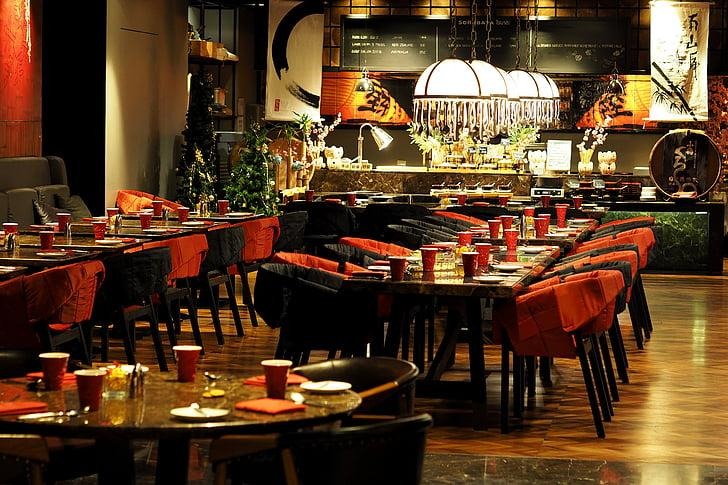
The room itself matters. Lighting, seating, sound, table spacing, and visual design all influence how guests receive the meal. A restaurant does not need to feel formal to feel refined, but the atmosphere should match the ambition of the menu. If the food is precise and intimate, the room should allow guests to focus. If the cooking is energetic and expressive, the space can carry more movement and personality.
Diners often compare restaurants not only by cuisine but also by the total feeling of the room. A modern regional restaurant, for example, may use design, hospitality, and menu structure to express place in a way that feels distinct from more traditional fine dining. Discussions around a modern Texas restaurant show how atmosphere and culinary identity can work together to shape a guest’s expectations before the first course even arrives.
Creativity Must Serve the Guest
Creativity is one of the pleasures of a tasting menu, but it should never become a barrier between the guest and the meal. The most effective creative decisions feel surprising yet understandable. They invite curiosity without making the diner feel excluded. A clever technique, an unexpected garnish, or a reimagined familiar flavor should add clarity, not confusion.
This is why restraint matters. A kitchen that tries to impress with every bite may overwhelm the diner. A kitchen that builds contrast carefully can make the experience more powerful. Many respected chefs and food writers have described the world’s most memorable restaurant dishes as those that combine craft, identity, and emotional resonance, not merely technical display. A global dining perspective, such as this feature on favorite restaurant dishes around the world, reinforces how deeply a single plate can stay with a guest when flavor and memory meet.
Brand Section: Why Restaurant Identity Matters
A strong restaurant brand is not limited to a logo, a name, or a visual style. In fine dining, brand identity is built through consistency. Guests begin forming expectations when they view the menu, make a reservation, arrive at the entrance, speak with the service team, and receive the first course. Every interaction either strengthens or weakens the restaurant’s promise.
For a chef-driven tasting menu concept, brand identity should be felt in the structure of the meal. The cuisine, atmosphere, service style, and pacing should all appear to come from the same philosophy. When that happens, the restaurant becomes easier to remember because the experience has a recognizable character. Guests may forget the exact details of a course, but they remember how the meal felt: focused, thoughtful, generous, precise, or surprising.
This identity also helps diners decide whether the restaurant fits the occasion. Some tasting menus are ideal for a quiet celebration. Others feel more energetic and modern. Some focus on refined comfort, while others explore bolder forms of creativity. A clearly expressed brand helps guests understand the kind of evening they are booking, which makes the reservation feel more intentional.
Consistency Turns a Good Meal Into a Trusted Destination
Consistency is one of the hardest qualities for any tasting-menu restaurant to maintain. A guest may visit on a busy evening, during a menu transition, or on a special occasion when expectations are especially high. The restaurant must still deliver careful cooking, smooth pacing, and attentive service. This is where discipline becomes visible.
A restaurant worth booking does not rely on one standout course to carry the meal. It sustains quality across the full experience. Even simpler courses should feel purposeful. Even transitions should feel considered. The guest should leave with the impression that the restaurant knows exactly what it is trying to achieve and has the systems, training, and taste to achieve it repeatedly.
Conclusion
A tasting menu restaurant is worth booking when it offers more than variety. It should provide direction, rhythm, ingredient integrity, creativity, hospitality, and atmosphere in one connected experience. The best meals feel carefully composed without becoming stiff, imaginative without becoming confusing, and polished without losing warmth.
For diners choosing where to reserve, the strongest signs are usually clear: a focused culinary identity, thoughtful progression, seasonal awareness, confident service, and a room that supports the food. When those elements work together, a tasting menu becomes more than dinner. It becomes a complete dining story, one course at a time.