Discount Chain Closing Stores 2026 Retail Update
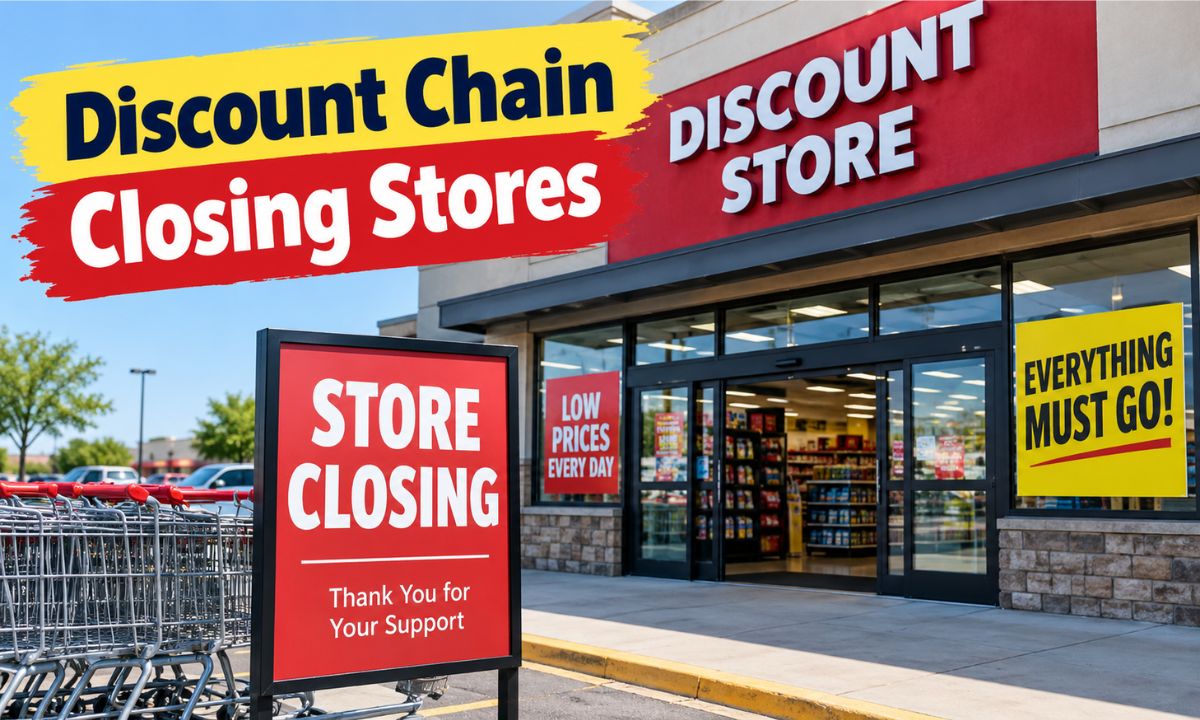
Discount stores help families save money on groceries, clothing, cleaning supplies, snacks, and household products. Many shoppers visit these stores because they offer lower prices than traditional retailers. However, changes in the retail industry have forced some discount chains to close underperforming locations, change their business plans, or reduce their store networks.
Shoppers who regularly visit these retailers may worry about losing access to affordable products. Understanding why stores close can help customers plan their shopping trips, compare prices, and find other nearby options. Just as checking target closing time helps shoppers plan a visit, keeping up with retail news can help people avoid unexpected changes.
What Does Discount Chain Closing Stores Mean?
The phrase discount chain closing stores describes a situation in which a retailer shuts down one or more locations that sell products at reduced prices. These businesses may include dollar stores, discount clothing shops, bargain home goods retailers, and low-cost grocery stores.
A store closure does not always mean that a company is going out of business. Some retailers close locations that do not attract enough customers while keeping their other stores open. Others close stores as part of a larger plan to reduce costs, improve profits, or change their business model.
For example, a company may close a store in an area where sales have fallen but continue serving customers through nearby locations and online shopping. In other cases, a retailer may close many locations because of financial problems or a major change in ownership.
Shoppers should therefore check whether an announcement concerns one store, a group of locations, or the entire company before assuming that every branch will close.
Why Are Discount Retailers Closing Stores?
Several factors can lead discount retailers to shut down stores. Although every business faces different challenges, rising expenses, weaker sales, and changing customer habits often play an important role.
Rising Operating Costs
Running a retail store requires money for rent, electricity, employee wages, insurance, transportation, and inventory. When these expenses increase, retailers may struggle to keep prices low while earning enough money to cover their costs.
Discount stores often work with small profit margins. This means they may earn less on each item than retailers that charge higher prices. Even a small increase in operating costs can create problems when sales remain flat.
Companies may respond by improving store operations, reducing unnecessary expenses, or closing locations that consistently lose money.
Lower Sales at Certain Locations
Not every store performs equally well. A branch in a busy shopping area may attract many customers, while another location may experience fewer visits and lower sales.
Retailers often review store performance before making closure decisions. They may consider sales revenue, rent, staffing expenses, customer traffic, and the cost of keeping products in stock.
When a location cannot generate enough income to justify its expenses, closing it may become part of the company’s financial plan.
Strong Competition
Discount retailers compete with supermarkets, online marketplaces, warehouse clubs, and other bargain stores. Customers can compare prices across several businesses before deciding where to shop.
Large retailers may also offer home delivery, same-day pickup, loyalty rewards, and special discounts. These services can make shopping more convenient for busy families.
Smaller discount chains may find it difficult to match every service while maintaining low prices. As competition grows, some businesses must change their strategies to remain attractive to customers.
Changes in Shopping Habits
Shopping habits have changed as more people use websites and mobile apps to find deals. Some customers prefer ordering products online rather than traveling to a physical store.
Other shoppers still prefer visiting stores because they want to compare products in person or avoid delivery fees. However, retailers must understand how their local customers shop.
A store may lose sales if it fails to offer the products, prices, or convenience that shoppers expect. Companies that cannot adjust to these changes may decide to close certain locations.
Which Types of Discount Stores May Close Locations?
Store closures can affect different parts of the discount retail industry. The impact depends on each company’s financial condition, business strategy, and local market.
Dollar Stores
Dollar stores sell affordable household products, food, cleaning supplies, seasonal decorations, and personal care items. Many families rely on them for everyday essentials.
However, some locations may struggle with low sales, rising costs, or competition from larger retailers. Companies may review their store networks and close branches that do not meet their financial goals.
A closure at one dollar store does not automatically mean that the entire chain will disappear. Customers should check official company announcements to understand the scope of any planned changes.
Discount Clothing Stores
Discount clothing retailers offer lower-priced shirts, trousers, shoes, jackets, and accessories. Their business depends on attracting shoppers who want affordable fashion.
Changes in fashion trends, inventory costs, and competition can affect sales. Some retailers may also change the size or location of their stores to improve performance.
When a clothing store closes, customers may find similar products at other discount retailers, department stores, or online shops.
Bargain Home Goods Retailers
Discount home goods stores sell kitchen tools, bedding, storage containers, decorations, furniture, and other household items. Customers often visit these stores when furnishing a home or looking for inexpensive gifts.
These retailers must manage inventory carefully because customer demand changes throughout the year. A store may struggle if it carries products that do not match local demand or if its operating costs become too high.
Companies may close weaker locations while keeping profitable branches open.
Discount Grocery Stores
Low-cost grocery stores help shoppers purchase food and daily essentials without spending too much. Their prices can be especially important for families managing tight budgets.
However, grocery retailers face costs related to refrigeration, transportation, food storage, employee wages, and product waste. These expenses can make some locations difficult to operate profitably.
If a grocery store closes, customers may need to compare nearby supermarkets, local markets, and other discount stores to find affordable alternatives.
How Do Store Closures Affect Shoppers?
Store closures can affect customers in several ways. The impact often depends on how close the next available retailer is and whether customers have access to other shopping options.
For people living in busy cities, finding another store may be relatively easy. However, customers in rural communities or areas with limited transportation may face greater difficulties.
Closures can also reduce access to affordable products. When a nearby discount store disappears, shoppers may need to travel farther or pay higher prices elsewhere.
Customers who depend on a particular retailer’s weekly offers or loyalty program may also need to find new ways to save money.
Planning ahead can reduce these problems. Shoppers can compare prices, check nearby store locations, and look for official announcements before making a special trip.
How Can You Find Out If a Discount Store Is Closing?
Retail closure information can change quickly, so shoppers should use reliable sources rather than depending on rumors or outdated social media posts.
Check the Company’s Official Website
Retailers sometimes publish announcements about store closures, restructuring, and changes to their business operations. Their official websites are useful starting points for checking these updates.
Customers can also look for store locators, customer service notices, and local announcements. These resources may help confirm whether a particular branch remains open.
Look for Local News Reports
Local newspapers and established news organizations often report closures affecting shopping centers and communities. These reports may identify the affected locations and explain when a store expects to close.
When reading a report, check its publication date. An old article may describe a closure plan that has already changed.
Contact the Store Directly
If you want to visit a particular location, call the store or contact its customer service team. Ask whether it remains open and whether its regular hours have changed.
This step can be especially useful when a store has posted a closing notice but has not announced its final operating date.
Check Official Store Locators
A company’s online store locator may help you find nearby branches. If one location closes, another branch may still operate within a reasonable distance.
However, store listings do not always update immediately. Confirm important details directly before traveling.
What Should Shoppers Do When a Discount Store Closes?
When a local retailer announces a closure, customers can take several practical steps to avoid unnecessary spending and inconvenience.
First, compare prices at nearby stores. A supermarket, local market, or competing discount retailer may offer similar products at a reasonable cost.
Second, review loyalty rewards and gift card policies. If you have unused rewards, coupons, or gift cards, check the company’s official terms to understand how the closure affects them.
Third, avoid buying products you do not need simply because a store advertises a closing sale. Discounts can be attractive, but spending money on unnecessary items does not always save money.
Finally, consider shopping lists and budgets. Planning purchases before visiting another retailer can help you avoid impulse buying and focus on essential products.
Are Discount Store Closures a Sign That the Entire Industry Is Struggling?
Not necessarily. The retail industry includes companies with different business models, customer groups, and financial results. One chain may face serious difficulties while another continues to grow.
Some retailers close underperforming locations to improve their overall performance. Others invest in new stores, improve their websites, or change the products they sell.
Store closures can therefore reflect both company-specific problems and broader changes in the retail market.
Customers should also distinguish between announced closures and completed closures. A retailer may announce plans to shut down certain branches, but the final list and timing can change.
For this reason, shoppers should look for recent, confirmed information before deciding that a retailer is leaving their area.
What Is the Future of Discount Retailers?
Affordable shopping will likely remain important to customers who want to control their household budgets. Discount retailers can attract shoppers by offering useful products, fair prices, convenient locations, and reliable service.
Businesses that understand their customers may respond to market changes by improving inventory, reducing operating costs, expanding online services, or opening stores in stronger locations.
At the same time, retailers that struggle with debt, falling sales, or high expenses may need to make difficult decisions about their store networks.
The future of each company will depend on its ability to manage costs and meet customer needs. Shoppers should not assume that every discount chain will close simply because some retailers have announced closures.
Frequently Asked Questions
Why are discount stores closing?
Discount stores may close because of rising operating costs, low sales, competition, financial difficulties, or changes in shopping habits. The reasons vary by company and location.
Are all discount chains going out of business?
No. Some companies close selected locations while continuing to operate other stores. Others may expand or change their business strategies.
Will store closures make shopping more expensive?
They can affect prices and convenience in some areas, especially when customers lose access to a nearby low-cost retailer. However, the impact depends on local competition and the availability of alternatives.
How can I confirm whether my local discount store is closing?
Check the retailer’s official website, contact the store directly, and review recent local news reports. Confirm the final closing date before making plans.
Should I shop during a store closing sale?
A closing sale may offer lower prices on selected products, but discounts vary. Compare prices and buy only what you need instead of assuming every item offers the best deal.
Conclusion
Discount retailers play an important role in helping families manage everyday expenses. When a store closes, customers may need to adjust their shopping routines, compare prices, and look for alternative locations.
The trend of discount chain closing stores does not mean that every discount retailer is disappearing. Many closures involve selected locations rather than an entire company. By following reliable announcements and checking local store information, shoppers can make informed decisions and continue finding affordable products.
Latest 2026 Update: Discount Retail Store Closures
Recent reports show that store closures do not always mean a discount retailer is failing across its entire business. For example, T.J. Maxx closed selected locations in 2026 while its parent company continued expanding its store network.
Dollar Tree’s financial report for the six months ending August 1, 2026, recorded 34 store closures alongside 188 new stores. Its total store count increased from 9,282 to 9,436 during that period. This shows why readers should distinguish between individual closures and a company’s overall growth.
Family Dollar has also continued to close locations. A July 2026 report documented at least 350 permanent closures between July 2025 and May 2026.