Fast Food Types, Popular Meals & Healthy Choices
Finding healthy food near me has become important for people who want quick meals without giving up good nutrition. Many people choose convenient meals because they have busy schedules, work long hours, or need something easy while traveling. Burgers, pizza, fried chicken, sandwiches, and tacos are popular choices because restaurants prepare and serve them quickly.
Quick meals have become a major part of modern food culture. Restaurants offer different flavors, meal sizes, prices, and ingredients to meet customer needs. Some people enjoy these meals as an occasional treat, while others depend on them because of convenience.
However, choosing the right meal requires some knowledge. Customers should understand the ingredients, cooking methods, portion sizes, and nutritional value of the food they eat. This guide explains popular meal options, their benefits, possible disadvantages, and simple ways to make better eating decisions.
What Is Fast Food?
Fast food refers to meals that restaurants prepare and serve quickly. These meals usually require less waiting time than traditional restaurant dishes. Many restaurants prepare ingredients in advance and follow standard cooking methods to serve customers faster.
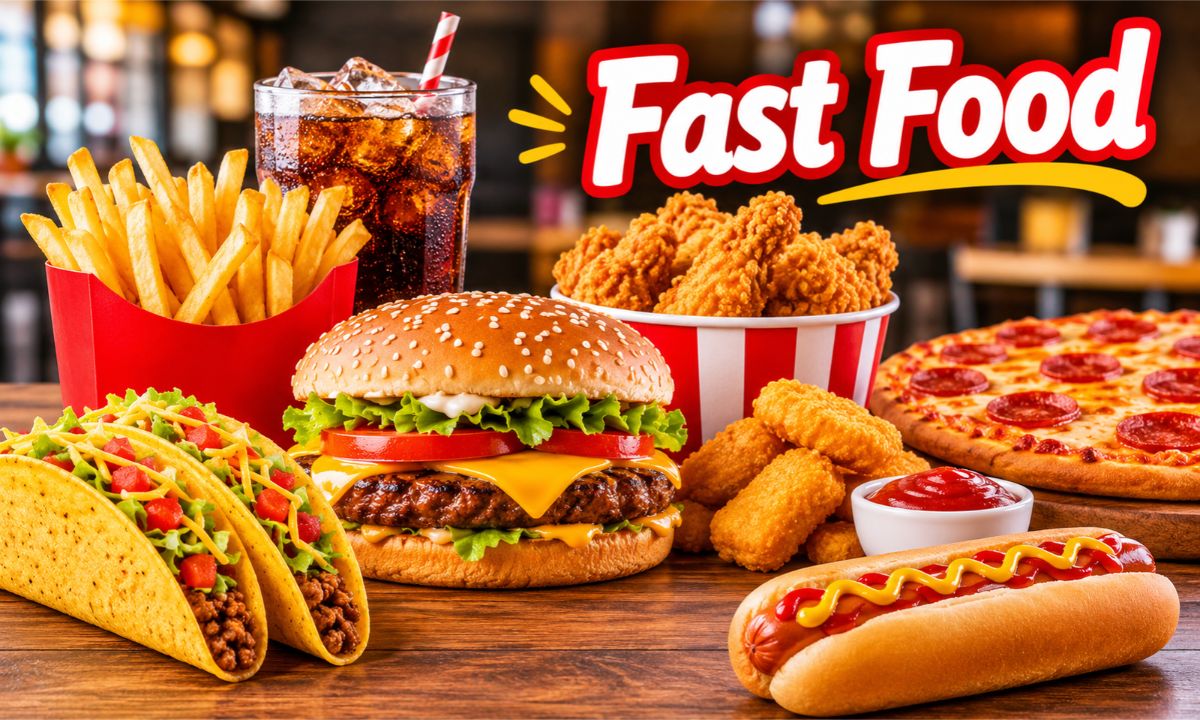
Common examples include hamburgers, French fries, chicken nuggets, pizza, hot dogs, sandwiches, and tacos. Customers can order these items at restaurant counters, through drive-through windows, or using food delivery apps.
The main purpose of these meals is to provide convenience. Customers can enjoy a quick lunch during a work break, grab dinner after a busy day, or order food when they do not have time to cook.
Most restaurants also offer combo meals. These meals usually include a main item, a side dish, and a drink. For example, a burger combo may include French fries and a soft drink.
History and Growth of Quick-Service Restaurants
The idea of serving prepared meals quickly is not new. People have purchased ready-to-eat food from street vendors and small food shops for centuries. However, modern quick-service restaurants became popular during the twentieth century.
As cities grew, people started looking for affordable meals that required less preparation time. Restaurants responded by creating simple menus, faster cooking systems, and organized service methods.
In the United States, restaurant chains helped make this dining style popular. Businesses developed standard recipes and restaurant designs so customers could enjoy similar meals at different locations.
Today, technology has changed the way people order food. Mobile applications, online menus, self-service kiosks, and home delivery services make ordering easier than ever. Customers can compare prices, check ingredients, and choose meals without visiting a restaurant.
10 Popular Types of Fast Food
Restaurants offer many meal options to suit different tastes and preferences. Some dishes contain meat and cheese, while others include vegetables, beans, and plant-based ingredients.
Here are ten popular categories that customers enjoy around the world.
1. Burgers and French Fries
Burgers are among the most recognizable quick-service meals. A traditional hamburger contains a cooked beef patty placed inside a soft bun. Restaurants often add lettuce, tomatoes, onions, cheese, pickles, and sauces.
Customers can also choose chicken burgers, fish burgers, and vegetarian burgers. These options give people more choices based on their dietary needs.
French fries are a common side dish. Restaurants prepare them by cutting potatoes into strips and frying or baking them until they become golden and crispy.
2. Pizza
Pizza is a popular meal made with dough, tomato sauce, cheese, and different toppings. Restaurants offer many varieties, including cheese, pepperoni, vegetable, chicken, and meat lovers’ pizza.
Customers can select thin crust, thick crust, or stuffed crust according to their preferences.
Pizza also works well for families and groups because restaurants offer different sizes. People can share a large pizza or order individual portions.
3. Fried Chicken
Fried chicken is another popular restaurant meal. Cooks coat chicken pieces with seasoned flour or breadcrumbs before frying them in hot oil.
The cooking process creates a crispy outer layer while keeping the inside tender. Some restaurants offer spicy, original, and extra-crispy versions.
Customers can order chicken wings, drumsticks, breast pieces, strips, and sandwiches. Many meals also include biscuits, coleslaw, mashed potatoes, or fries.
4. Sandwiches and Subs
Sandwiches provide a convenient way to enjoy different ingredients in one meal. They usually contain bread filled with meat, cheese, vegetables, eggs, or sauces.
Submarine sandwiches, commonly called subs, use long rolls filled with different ingredients. Customers can select grilled chicken, turkey, tuna, vegetables, or other fillings.
People who want a lighter option can choose whole-grain bread, lean protein, and fresh vegetables. They can also request less mayonnaise or creamy dressing.
5. Tacos and Burritos
Tacos and burritos are popular Mexican-inspired meals. Tacos use small tortillas filled with ingredients such as beef, chicken, beans, lettuce, cheese, tomatoes, and salsa.
Burritos are larger tortillas wrapped around fillings. They often contain rice, beans, meat, vegetables, cheese, and sauces.
These meals offer different flavor combinations. Customers can choose spicy sauces, grilled vegetables, beans, or lean meats depending on their preferences.
6. Hot Dogs
A hot dog consists of a cooked sausage placed inside a soft bread roll. Restaurants often add mustard, ketchup, onions, cheese, and other toppings.
Hot dogs are popular at sports events, food stands, and quick-service restaurants. However, many traditional hot dogs contain processed meat and high amounts of sodium.
Customers can compare ingredients and choose smaller portions when they want to limit their intake.
7. Chicken Nuggets
Chicken nuggets are small pieces of chicken covered with a seasoned coating. Restaurants usually fry or bake them before serving.
They are especially popular with children because they are easy to eat and come with dipping sauces. Common sauces include barbecue, honey mustard, ketchup, and sweet chili.
8. Wraps
Wraps use soft tortillas filled with chicken, beef, vegetables, cheese, and sauces. Restaurants often grill or toast them before serving.
A grilled chicken wrap with fresh vegetables can provide a balanced meal. However, creamy sauces, extra cheese, and large tortillas can increase its calorie content.
9. Onion Rings
Onion rings are a common side dish made from sliced onions covered in seasoned batter or breadcrumbs. Restaurants fry them until the coating becomes crispy.
People often enjoy onion rings with burgers, sandwiches, and dipping sauces. Since restaurants usually prepare them with oil, portion size matters.
10. Salads and Rice Bowls
Salads and rice bowls provide alternatives to traditional fried meals. Restaurants prepare them with fresh vegetables, grains, chicken, beans, eggs, or other protein sources.
A balanced bowl may include brown rice, grilled chicken, leafy greens, tomatoes, and a light dressing.
These meals can provide fiber, protein, vitamins, and minerals. However, customers should check dressings, toppings, and serving sizes because they can change the overall nutritional value.
Popular Fast-Food Restaurant Chains
Many restaurant chains serve quick meals in different countries. Each business has its own menu, cooking style, prices, and customer experience.
Here are some well-known examples.
| Restaurant | Popular menu items |
| McDonald’s | Big Mac, fries, McNuggets |
| KFC | Fried chicken, Zinger burgers |
| Burger King | Whopper, chicken sandwiches |
| Subway | Subs, wraps, salads |
| Taco Bell | Tacos, burritos, quesadillas |
| Pizza Hut | Pan pizza, stuffed crust pizza |
| Wendy’s | Dave’s burgers, chicken nuggets |
These restaurants attract customers through recognizable menus, convenient locations, meal deals, and delivery services. Menu items and prices can vary by country and location.
What Ingredients Do Restaurants Commonly Use?
Restaurants use different ingredients depending on the meal. Understanding these ingredients helps customers make informed choices.
Meat and protein: Beef, chicken, fish, eggs, and plant-based protein provide different amounts of protein. Protein helps build and repair body tissues.
Bread and grains: Burger buns, pizza dough, tortillas, sandwich bread, and rice provide carbohydrates that supply energy.
Vegetables: Lettuce, tomatoes, onions, cucumbers, peppers, and cabbage add flavor, texture, fiber, and important nutrients.
Dairy products: Cheese, milk, yogurt, and creamy sauces add flavor and texture. However, some products also contain considerable saturated fat and sodium.
Sauces and seasonings: Ketchup, mayonnaise, mustard, barbecue sauce, salt, and spices improve flavor. Some sauces contain added sugar, while others contain high amounts of sodium.
The ingredients and cooking methods can make a big difference in the nutritional value of a meal.
Benefits of Eating Quick-Service Meals
Quick-service restaurants offer several advantages that explain their popularity.
Convenience and Time Savings
The biggest advantage is convenience. Customers can order meals without spending time shopping for ingredients, preparing food, or cleaning the kitchen.
This option can help workers, students, and travelers who have limited time.
Affordable Meal Options
Many restaurants offer budget meals, discount deals, and combo packages. Customers can select items according to their budgets.
However, prices depend on the restaurant, location, portion size, and available promotions.
Variety of Food Choices
Restaurants offer different meals to satisfy different tastes. Customers can choose burgers, chicken, pizza, salads, sandwiches, wraps, and desserts.
Many chains also provide vegetarian options and customized orders.
Consistent Taste and Quality
Large restaurant chains follow standard recipes and cooking instructions. This system helps them maintain similar flavors and serving styles across different locations.
However, the actual experience can still vary between restaurants.
Is Fast Food Healthy or Unhealthy?
The nutritional value of a meal depends on its ingredients, cooking method, portion size, and frequency of consumption.
Some restaurant meals contain vegetables, lean protein, and whole grains. Others contain large amounts of salt, added sugar, and saturated fat.
Eating meals high in sodium regularly can contribute to high blood pressure. Consuming too many calories over time can also increase the risk of weight gain.
This does not mean people must avoid every restaurant meal. Instead, they should pay attention to their overall eating habits and make balanced choices.
The World Health Organization recommends limiting salt intake to less than 5 grams per day for most adults. It also recommends keeping free sugars below 10% of total daily energy intake.
These guidelines show why checking food labels and nutrition information matters.
According to the World Health Organization’s healthy diet guidelines, people should limit foods high in salt, free sugars, and unhealthy fats while eating more fruits, vegetables, and whole grains.
How to Make Healthier Choices at Restaurants
You can enjoy restaurant meals while making better food decisions. A few small changes can improve the nutritional balance of your order.
Choose grilled instead of fried: Grilled chicken or fish often contains less added cooking oil than deep-fried versions.
Add vegetables: Include lettuce, tomatoes, cucumbers, and other vegetables whenever possible. They add fiber and useful nutrients.
Watch your portion size: Large meals can contain more calories than you need. Consider choosing a smaller burger, fewer fries, or a smaller drink.
Choose water: Soft drinks and sweetened beverages can add a lot of sugar. Water is a simple alternative.
Limit heavy sauces: Mayonnaise, cheese sauce, and creamy dressings can increase calories and saturated fat. Ask for sauces on the side.
Compare nutrition information: Many restaurant chains publish nutrition details on their websites. Check calories, sodium, saturated fat, and protein before ordering.
These simple habits can help you enjoy different meals without ignoring your nutritional needs.
How Technology Has Changed the Restaurant Industry
Technology has made restaurant services faster and more convenient. Customers no longer need to visit a restaurant counter to place every order.
Mobile apps allow people to explore menus, compare prices, apply discounts, and schedule deliveries. Some restaurants also use digital kiosks that let customers customize their meals.
Food delivery platforms connect customers with nearby restaurants. They also provide estimated delivery times, customer reviews, and order tracking.
Restaurants use technology behind the scenes too. Digital payment systems, inventory software, and automated kitchen equipment help businesses manage daily operations.
These changes have made ordering easier and created more ways for restaurants to reach customers.
What Should You Consider Before Ordering?
Before choosing a restaurant meal, consider more than its taste and price. The following factors can help you make a better decision.
| Factor | What to check |
| Ingredients | Check meat, vegetables, sauces, and allergens |
| Nutrition | Compare calories, sodium, and saturated fat |
| Portion size | Choose an amount that suits your needs |
| Price | Compare individual items and meal deals |
| Food safety | Choose clean restaurants with safe food handling |
| Customization | Ask for less sauce or extra vegetables |
You should also consider your personal dietary needs. People with food allergies should check ingredients and ask restaurant staff about possible cross-contact during food preparation.
Frequently Asked Questions (FAQs)
1. What Is the Most Popular Fast Food?
Burgers, pizza, fried chicken, French fries, and sandwiches are among the most popular choices worldwide. Their popularity comes from convenience, variety, and familiar flavors.
2. Is Fast Food Okay to Eat Every Day?
Eating restaurant meals every day may make it harder to maintain a balanced diet, especially when those meals contain high amounts of sodium, saturated fat, and added sugar. Choose a variety of nutritious foods throughout the week.
3. What Is the Healthiest Food to Order at a Restaurant?
Grilled chicken salads, vegetable bowls, grilled fish, and sandwiches with whole-grain bread can be good options. Choose meals with vegetables, lean protein, and moderate portions.
4. Why Do People Like Quick-Service Restaurants?
People enjoy these restaurants because they save time and offer familiar meals at convenient locations. Many also provide affordable deals, drive-through services, and home delivery.
5. Can Vegetarians Find Suitable Restaurant Meals?
Yes. Many restaurants offer vegetable burgers, salads, cheese pizza, bean burritos, and plant-based meals. Customers should check ingredients to make sure the food meets their dietary preferences.
6. What Is the Difference Between Fast Food and Traditional Restaurant Food?
Quick-service restaurants focus on speed, convenience, and standardized menus. Traditional restaurants often offer table service, longer preparation times, and more detailed dining experiences. However, both types can serve nutritious or less nutritious meals.
Conclusion
Quick-service restaurants have become an important part of modern food culture. They offer convenient meals, different flavors, and affordable options for people with busy lifestyles. From burgers and pizza to sandwiches, tacos, and salads, customers can find something that matches their preferences.
However, the ingredients, cooking methods, and portion sizes matter. Choosing grilled meals, adding vegetables, drinking water, and limiting heavy sauces can help improve your food choices.
The goal is not to avoid restaurant meals completely. It is to understand what you eat and maintain a balanced diet through sensible choices.