A Beginner’s Guide to Homemade Bean Soup
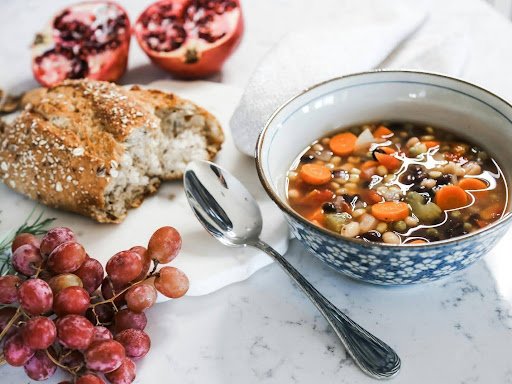
Homemade bean soup is one of the most practical dishes you can learn to cook well. It is affordable, filling, and built from simple pantry staples. A pot of beans simmering on the stove delivers protein, fiber, and steady energy without relying on expensive ingredients. Beyond nutrition, it teaches real technique. When you cook bean soup from scratch, you practice soaking, sautéing aromatics, managing heat, and seasoning in stages. These are transferable skills that improve everything else you cook.
Many people treat bean soup as a basic recipe, but it rewards attention to detail. The way you hydrate your beans, the order in which you add ingredients, and the timing of salt and acid all influence texture and flavor. Once you understand those fundamentals, you gain control over the final result. That confidence is what turns a simple pot of soup into a reliable, go-to meal you can adapt to any season or cuisine.
Understanding Beans: A Beginner’s Gateway to From-Scratch Cooking
Beans are incredibly versatile, making them ideal for beginners to cook with. Black beans hold their shape and offer an earthy flavor. Cannellini beans feel creamy and mild. Pinto beans break down more easily, creating a thicker broth. Learning how each variety behaves in soup helps you predict texture and cooking time. It also encourages experimentation. You begin to understand which beans work best for brothy soups and which create a naturally thick base.
At the same time, beans come with a learning curve. Dried varieties require soaking, steady heat, and patience. Traditional stovetop simmering can take several hours, and timing everything correctly is not always easy when you are new to cooking. Many home cooks want the depth of slow-cooked beans but struggle to fit that process into a busy schedule. This is where modern equipment changes the equation. Learning how to make black bean soup in an Instant Pot gives beginners a faster, more controlled way to achieve tender beans and layered flavor. A pressure cooker shortens cooking time significantly while still allowing you to practice proper seasoning and technique.
Choosing the Right Beans: Dried vs. Canned
One of the first decisions you will make is whether to use dried or canned beans. Dried beans typically deliver better texture and fuller flavor. They absorb seasoning as they cook, allowing you to control salt from the beginning. They also cost less per serving, making them ideal for meal prep or feeding a family on a budget.
Canned beans offer convenience. They are fully cooked and ready to use, which shortens total cooking time. If you choose canned beans, rinse them thoroughly under cold water to remove excess sodium and improve flavor clarity. Check the ingredient list and avoid unnecessary additives. Both options work well in soup, but understanding their differences helps you adjust the liquid and seasoning appropriately.s
The Science of Soaking: Overnight vs. Power Soak
Soaking dried beans hydrates them evenly and promotes consistent cooking. An overnight soak in lightly salted water allows beans to absorb moisture gradually. This reduces cooking time and improves texture. It also helps the beans cook through without splitting apart.
If you forget to soak overnight, use a quick-soak method. Bring the beans to a boil for a few minutes, then turn off the heat and let them sit, covered, for about an hour. Skipping the soak can lead to an uneven texture, especially when cooking on the stovetop. Even with modern equipment, understanding hydration helps you better control tenderness.
Flavor Timing: Salt, Acid, and Smart Seasoning
Great bean soup depends on when and how you season it. Adding a moderate amount of salt during soaking or early simmering helps beans absorb flavor evenly. Waiting until the end often leaves the broth salty while the beans taste bland. Season gradually and taste throughout the process.
Acid requires more precision. Tomatoes, vinegar, and citrus brighten flavor but can slow softening if added too early. Let the beans become fully tender first, then stir in small amounts to lift the dish. Add dried spices with the aromatics so they bloom in oil, and finish with fresh herbs or pepper just before serving. Layered seasoning creates balance and depth.
Modern Methods: Slow Cooker vs. Pressure Cooker vs. Stovetop
Each cooking method offers clear advantages. The stovetop provides the most control. You can adjust the heat, monitor the texture, and refine the seasoning as the soup develops. It requires time, but it allows steady flavor building. A slow cooker simplifies the process. Combine the ingredients, set the temperature, and cook gently for several hours.
Pressure cookers reduce cooking time dramatically while still producing tender beans. They are ideal when you need efficiency without sacrificing structure. Follow liquid guidelines carefully and avoid overfilling. The right method depends on your schedule and comfort level. Understanding how each affects texture helps you make confident choices.
Texture and Finishing Touches: Blending and Garnishing
Texture shapes the final experience of bean soup. For a thicker consistency, remove a portion of cooked beans, blend them until smooth, and return them to the pot. This method creates creaminess without adding dairy or starch. If the soup feels too thick, stir in a small amount of hot water or broth.
Finish with simple garnishes that enhance flavor. Fresh herbs, olive oil, or yogurt can add contrast. Toasted breadcrumbs or seeds provide a subtle crunch. Taste before serving and adjust salt or acidity if needed. Small refinements at the end bring the entire dish into balance.
Storage and Reheating: Why Bean Soup Improves Overnight
Bean soup often tastes better the next day because the flavors continue to develop as it rests. The beans absorb seasoning more fully, and the broth becomes more cohesive over time. For more helpful food and meal tips, you can explore trusted guides on todaydinehours. Store cooled soup in airtight containers in the refrigerator for up to five days. For longer storage, freeze it in individual portions to maintain freshness and convenience.
When reheating, expect a thicker consistency. Beans release starch as they sit. Add a splash of water or broth and warm gently over medium heat, stirring occasionally. Avoid high heat, which can cause the beans to break down too much. Proper storage protects both flavor and texture.
Great bean soup relies on thoughtful timing and steady technique. Choose quality beans, hydrate them properly, build flavor with aromatics, and manage liquid carefully. Season gradually, add acidity at the right stage, and select a cooking method that fits your routine. When you follow these principles, you create a nourishing, budget-friendly meal that improves with every batch.