7 Eleven Closing Stores in 2026 Latest Updates
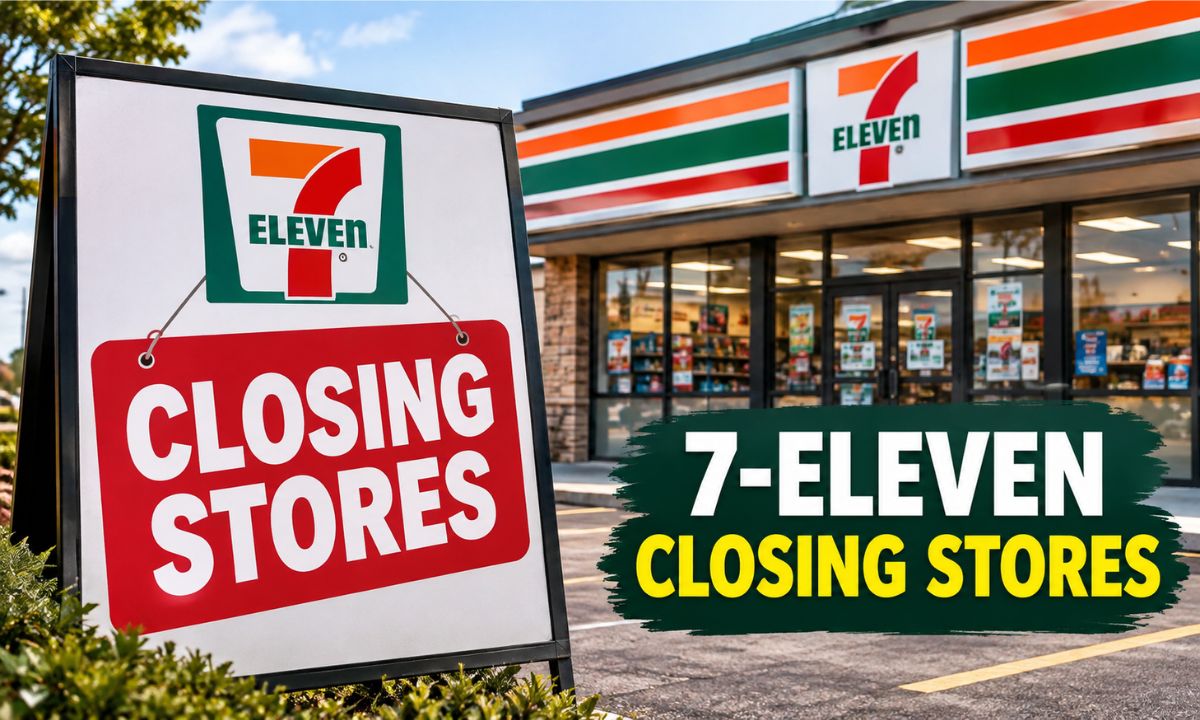
As shoppers follow retail changes such as tj maxx closing, another major name is drawing attention across the United States. 7 Eleven, one of America’s best-known convenience store chains, plans to close hundreds of locations during 2026. The news has raised questions among customers who depend on these stores for snacks, drinks, fuel, and quick meals.
The 7 eleven closing stores is not shutting down its entire business. Instead, it is changing its store network, reviewing locations that do not perform well, and moving some sites toward different fuel operations. It also plans to open new stores while updating many existing locations.
In this guide, we explain the latest closure plans, why the company is making these changes, how customers may be affected, and how to check whether a nearby store will remain open.
What Is Happening With 7 Eleven Closing Stores in 2026?
7 eleven closing stores plans to close or convert 645 North American convenience store locations during fiscal year 2026. According to reports based on company filings, this period runs from March 1, 2026, through February 28, 2027.
The closure plan covers different types of changes. Some locations will close because they do not meet business goals. Others will become wholesale fuel sites, which means they will no longer operate as regular 7-Eleven convenience stores. Additional locations will leave the network for contractual or franchise-related reasons.
At the same time, the company plans to open 205 new North American stores during the same fiscal year. However, these new openings will not fully replace the locations leaving its convenience store network.
The announcement reflects a wider effort to improve business performance and adapt to changing customer needs. You can read the original reporting from the Associated Press for additional background.
How Many 7 Eleven Stores Will Close?
The company has outlined a plan that includes 645 closures or conversions across North America. The figures cover several different types of changes, so customers should not assume every affected site will disappear completely.
Here is a breakdown of the reported plan.
| Planned change | Number of locations |
| Underperforming stores to close | 200 |
| Stores converting to wholesale fuel sites | 350 |
| Other closures, including contractual changes | 95 |
| Total planned closures or conversions | 645 |
| New stores planned | 205 |
These figures were detailed in reporting on the company’s first-quarter fiscal 2026 update. The company also reported progress on store closures, conversions, and new openings during the first quarter.
The important difference is that a closure and a conversion do not always mean the same thing. A store that shuts its convenience retail operation may leave behind a fuel business. Customers who want to buy groceries, prepared food, or drinks may still need to visit another location.
Why Is 7-Eleven Closing Stores?
Several business factors help explain the decision. The company is reviewing its store network while responding to changes in customer spending, shopping habits, and fuel operations.
1. Underperforming Store Locations
Some stores do not generate enough sales to justify their operating costs. Rent, wages, utilities, maintenance, and inventory expenses can place pressure on a location’s profits.
When a store continues to struggle, a company may decide to close it and invest its money elsewhere. 7-Eleven’s plan specifically includes 200 underperforming locations.
A store’s performance can depend on several local factors, including nearby competition, traffic patterns, population changes, and customer demand. A location that once attracted many shoppers may become less profitable as the surrounding area changes.
2. Changes in Customer Spending
Higher everyday expenses can affect how often people visit convenience stores and how much they spend during each trip.
Customers may buy fewer snacks, prepared meals, or other nonessential items when household budgets become tight. They may also compare prices with supermarkets, discount stores, and other convenience retailers.
These pressures can make it harder for some locations to maintain sales and profits. Retailers must balance affordable prices with rising operating costs to keep their businesses competitive.
3. A Shift Toward Wholesale Fuel Operations
Another major part of the plan involves converting 350 locations to wholesale fuel operations.
Under this model, a location may continue to serve a role in fuel distribution or sales but stop operating as a traditional 7-Eleven convenience store. The company can then reduce the number of locations counted in its regular convenience retail network.
This distinction matters to customers. A site may still have fuel-related activity after its convenience store closes, but shoppers should not assume that its normal food, beverage, and household products will remain available.
4. Franchise and Contract Changes
The remaining 95 locations are associated with other reasons, including franchise terminations and contractual circumstances.
Convenience stores can operate under different ownership and franchise arrangements. When an agreement ends or the parties change their business plans, a location may leave the chain even if poor sales are not the main reason.
These changes form part of the wider effort to adjust the company’s North American store network.
Which 7-Eleven Locations Are Closing?
One of the biggest questions for customers is whether a particular store will close. However, the company has not provided a single complete public list covering every location affected by the full 645-store plan in the reporting cited here.
News reports have identified individual locations that had already closed during 2026. For example, an Inc. report published in July 2026 listed locations in several states, including Maryland, Florida, Michigan, Maine, New Hampshire, New Jersey, Oregon, and Rhode Island.
These examples do not represent a complete list of planned closures. They also do not prove that every other store in those states will close.
Customers should check local information before making decisions based on a general closure report. Store-level changes can happen at different times, and individual locations may have separate ownership arrangements.
How to Check Whether Your Local Store Is Closing
If you regularly visit a particular 7-Eleven, take a few simple steps to confirm its status.
First, use the official 7-Eleven store locator to find the store’s listing and contact details. Call the location if a phone number is available and ask whether it expects any changes to its operating hours or services.
You can also check recent notices posted at the store. A closure announcement may include a final operating date or information about nearby alternatives.
Finally, look for recent local news reports. Local newspapers and television stations sometimes report store closures before customers notice changes in the area.
Do not rely only on an old online listing or an unverified social media post. A location can have temporary operating changes without permanently closing.
Will All 7-Eleven Stores Close?
No. The announced plan does not mean that 7-Eleven will shut down every store in North America.
The company expects to open 205 new locations during fiscal 2026, even as it reduces its existing convenience store network. This shows that it is choosing where to operate rather than ending its entire business.
The company is also investing in improvements to selected stores. Its wider strategy includes modernizing locations and placing greater emphasis on prepared food, fresh products, and a better shopping experience.
Some communities may lose a nearby store, while others may receive a new or upgraded location. The effects will vary by market.
Customers should therefore treat closure reports as information about a changing retail network, not as proof that the entire chain is disappearing.
How Will the Closures Affect Customers?
The effect will depend on the location and the services it currently provides.
For some customers, a closure could mean traveling farther to buy coffee, cold drinks, snacks, or basic household products. People who stop at the same store on their way to work may need to find another convenient option.
Drivers may also need to check whether a nearby site will continue offering fuel after its convenience store operation changes. A wholesale fuel conversion can affect the shopping experience even if fuel-related activity remains.
Local workers may face changes as well. When a store closes, employees may need to transfer to another location, seek a different role, or look for new employment. The outcome will depend on the store’s ownership and the options available.
Local businesses can also feel the impact when a familiar convenience store leaves a neighborhood. Regular customers may shift their spending to nearby retailers, gas stations, or supermarkets.
Still, the overall effect will not be the same everywhere. Areas with several nearby convenience stores may have more alternatives than rural communities or neighborhoods with fewer retail options.
What Is 7-Eleven Planning for the Future?
The company is working to make its remaining store network more competitive. Rather than relying only on traditional convenience retail, it is looking at store formats and services that may better match customer demand.
Food is an important part of this approach. Many customers visit convenience stores for ready-to-eat meals, sandwiches, coffee, snacks, and other items they can purchase quickly. Improving food choices may help stores attract more visits and encourage customers to buy more during each trip.
Modernization is another part of the plan. Updated layouts, improved product displays, and better food offerings can help stores create a more useful shopping experience.
The company also plans to expand selectively. New stores may open in areas where demand and business conditions support growth, even as other locations close.
These plans do not guarantee that every remaining store will succeed. However, they show that the company is trying to adjust its business model rather than simply maintain every existing location.
Frequently Asked Questions
Is 7-Eleven closing stores in 2026?
Yes. 7-Eleven plans to close or convert 645 North American convenience store locations during fiscal year 2026, which ends on February 28, 2027. The plan includes outright closures and conversions to wholesale fuel operations.
Why is 7-Eleven shutting down some locations?
The company plans to close underperforming stores, convert selected locations to wholesale fuel sites, and remove other locations from its network because of franchise or contractual changes. Changing customer spending and operating costs also affect the convenience retail industry.
Which states will lose 7-Eleven stores?
Reports have identified individual closures in several states, but the company has not published a complete list of every location affected by the full plan in the sources discussed above. Customers should check local announcements and the official store locator for updates.
Is 7-Eleven opening new stores too?
Yes. The company plans to open 205 new North American locations during fiscal 2026. New openings will not fully offset the planned closures and conversions.
Will stores that convert to wholesale fuel sites still sell food?
Customers should not assume that they will. Wholesale fuel operations differ from regular convenience stores. The available products and services will depend on how each location operates after the conversion.
How can I find out if my nearest 7-Eleven is closing?
Visit the official 7-Eleven store locator, contact the store directly, and check recent local news. These steps can help you confirm a location’s status rather than relying on general closure figures.
Final Thoughts
The 2026 store changes mark an important shift for one of North America’s most familiar convenience store chains. The company plans to close or convert 645 locations while opening 205 new stores and investing in selected locations.
The reasons include underperforming stores, wholesale fuel conversions, and franchise or contractual changes. However, the closures will not affect every market in the same way, and not every affected location will disappear entirely.
For customers, the best approach is to verify local store information before changing shopping routines. As the company updates its network, checking official listings and recent local reports will provide the clearest picture of what is happening nearby.