How to Market Your Restaurant and Attract More Customers
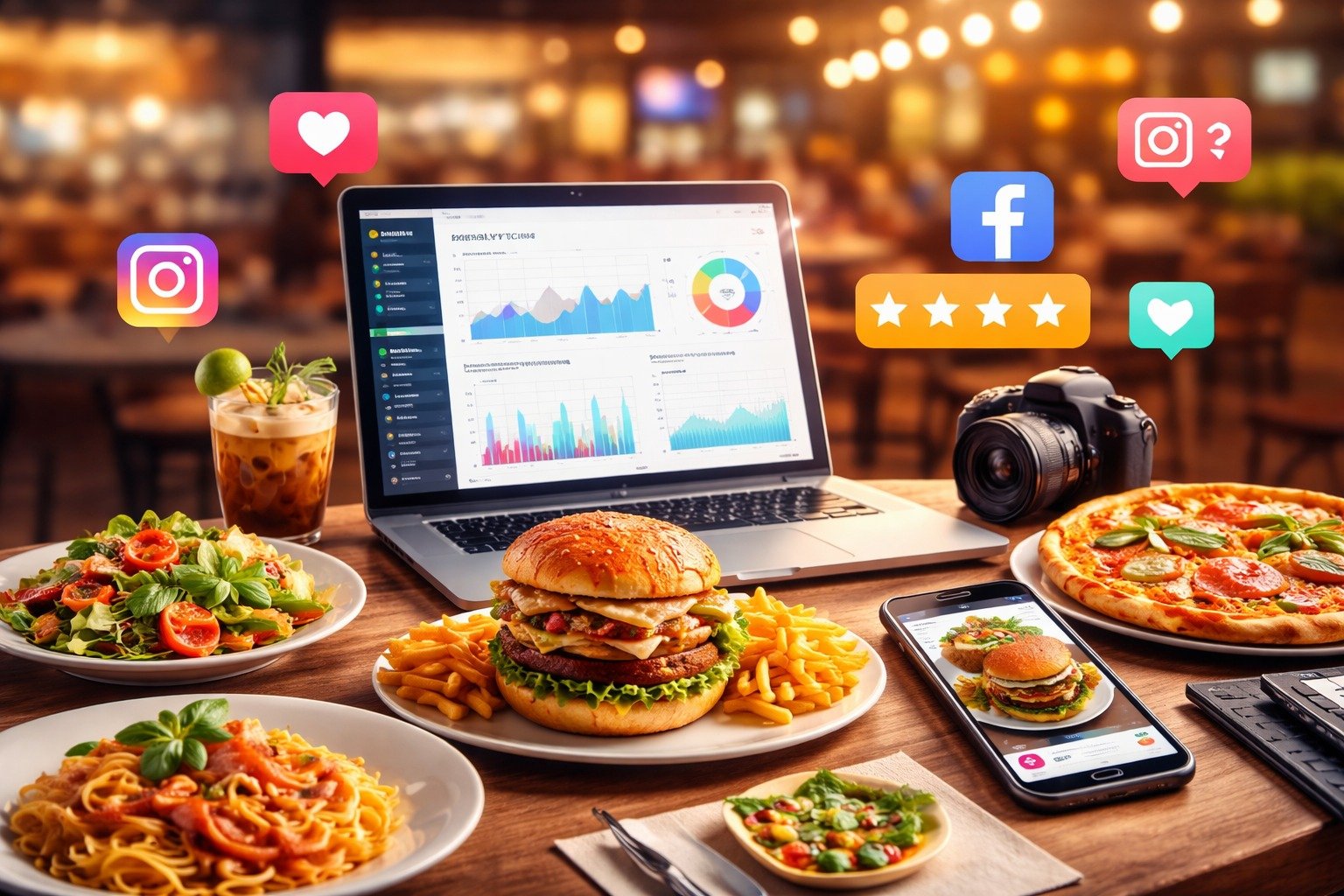
Marketing a restaurant in today’s competitive food industry requires more than just great taste and service. With customers relying heavily on online searches, reviews, and social media recommendations, having a clear marketing strategy is essential. Effective restaurant marketing helps increase visibility, attract new diners, and build trust with your audience. By understanding customer behavior and market trends, restaurant owners can create targeted campaigns that drive both foot traffic and online orders.
A successful restaurant marketing plan combines local SEO, social media engagement, promotional content, and consistent branding. From optimizing your online listings to using digital tools that showcase your menu and offers, each tactic plays a role in customer acquisition. This guide explores practical ways to market your restaurant and attract more customers by using proven strategies that improve reach, strengthen brand presence, and support long-term business growth.
Understand Your Target Audience and Local Market
Understanding your target audience and local market is the foundation of effective restaurant marketing. Start by identifying who your ideal customers are, including their age, dining preferences, spending habits, and lifestyle choices. Families, office workers, students, and tourists all have different expectations when choosing a place to eat. Analyzing customer reviews, feedback forms, and order history can provide valuable insights into what attracts diners and what influences repeat visits.
Equally important is evaluating your local market and competition. Study nearby restaurants to understand their pricing, menu offerings, and promotional strategies. Pay attention to local food trends, peak dining hours, and seasonal demand to position your restaurant more effectively. By aligning your menu, promotions, and messaging with local preferences, you can differentiate your brand, improve customer satisfaction, and attract more customers who are actively looking for dining options in your area.
Optimize Your Restaurant’s Online Presence for Local SEO
Optimizing your restaurant’s online presence for local SEO is essential for attracting customers who are searching for places to eat nearby. Start by claiming and fully optimizing your Google Business Profile with accurate details such as your restaurant name, address, phone number, business hours, and menu links. Use relevant local keywords naturally on your website, including city names and neighborhood terms, to improve visibility in local search results. Consistent business information across online directories also helps build trust with search engines.
Customer reviews play a major role in local SEO and dining decisions. Encourage satisfied customers to leave positive reviews on Google and other food platforms, and respond to feedback professionally to show engagement. High-quality photos, updated posts, and location-based content further strengthen your local presence. When your restaurant appears prominently in local searches and map listings, it becomes easier for nearby customers to discover your brand and choose your restaurant over competitors.
Leverage Social Media to Build Brand Awareness
Leveraging social media is one of the most effective ways to build brand awareness for your restaurant and connect with potential customers. Platforms like Instagram, Facebook, and TikTok allow you to showcase your food, ambience, and brand personality in a visually engaging way. Sharing high-quality photos, short videos, customer testimonials, and behind-the-scenes content helps create a strong emotional connection with your audience. Using relevant hashtags and location tags also improves discoverability among local users searching for dining options.
Consistency and engagement are key to successful social media marketing. Posting regularly, responding to comments, and interacting with followers helps build trust and loyalty. Promote daily specials, events, and limited-time offers to encourage immediate action. Collaborating with local influencers or food bloggers can further expand your reach and introduce your restaurant to new audiences. When used strategically, social media strengthens your online presence and drives both foot traffic and online orders.
Use a Text to Video Generator to Create Engaging Promotional Content
Using a text to video generator is an effective way for restaurants to create engaging promotional content without complex production work. By converting simple text descriptions into dynamic videos, restaurant owners can quickly highlight menu items, special offers, and upcoming events. AI-powered tools make it possible to add voiceovers, subtitles, animations, and cinematic effects that capture attention on social media and digital platforms. This approach helps restaurants maintain a consistent video marketing strategy while saving time and resources.
Platforms like invideo, a powerful text to video generator, allow restaurants to transform written ideas into high-quality 4K videos within minutes. With realistic human characters, smooth animations, and professional visuals, restaurants can create content that feels polished and engaging. These videos can be shared across social media, websites, and ads to increase reach, improve customer engagement, and attract more diners through visually compelling storytelling.
Run Targeted Promotions and Loyalty Programs
Running targeted promotions is an effective way to attract new customers and encourage repeat visits to your restaurant. Limited-time discounts, happy hour deals, and seasonal offers create urgency and motivate customers to take action. By tailoring promotions to specific customer segments, such as lunch specials for office workers or family deals on weekends, you can maximize engagement and increase conversions. Promoting these offers through social media, email, and local listings helps reach customers at the right time.
Loyalty programs play a key role in building long-term customer relationships. Rewarding repeat diners with points, exclusive discounts, or free items encourages continued engagement with your brand. Digital loyalty programs integrated with online ordering or mobile apps make it easy for customers to participate. When combined with data tracking, promotions and loyalty initiatives provide valuable insights that help refine future campaigns and strengthen customer retention.
Track Performance and Optimize Your Marketing Strategy
Tracking performance is essential to understand how well your restaurant marketing efforts are working. By monitoring key metrics such as website traffic, online reservations, social media engagement, and customer inquiries, you can identify which channels drive the most results. Tools like Google Analytics, social media insights, and point-of-sale data help measure campaign effectiveness and customer behavior. Regular performance tracking allows restaurant owners to make informed decisions rather than relying on guesswork.
Optimizing your marketing strategy involves using these insights to refine and improve future campaigns. Analyze which promotions, content types, or platforms generate the highest engagement and conversions. Adjust budgets, messaging, and posting schedules based on performance data to maximize return on investment. Continuous testing and optimization ensure your restaurant stays competitive, reaches the right audience, and consistently attracts more customers.
Conclusion
Marketing your restaurant effectively requires a balanced approach that combines local visibility, digital engagement, and data-driven decisions. By understanding your audience, optimizing your online presence, leveraging social media, and using modern tools like video marketing, you can attract more customers and build lasting relationships. Consistently tracking performance and refining your strategy ensures long-term growth and helps your restaurant stay competitive in an ever-evolving market.