
The Rise of Coconut Acai Bowls A Farm-to-Table Movement
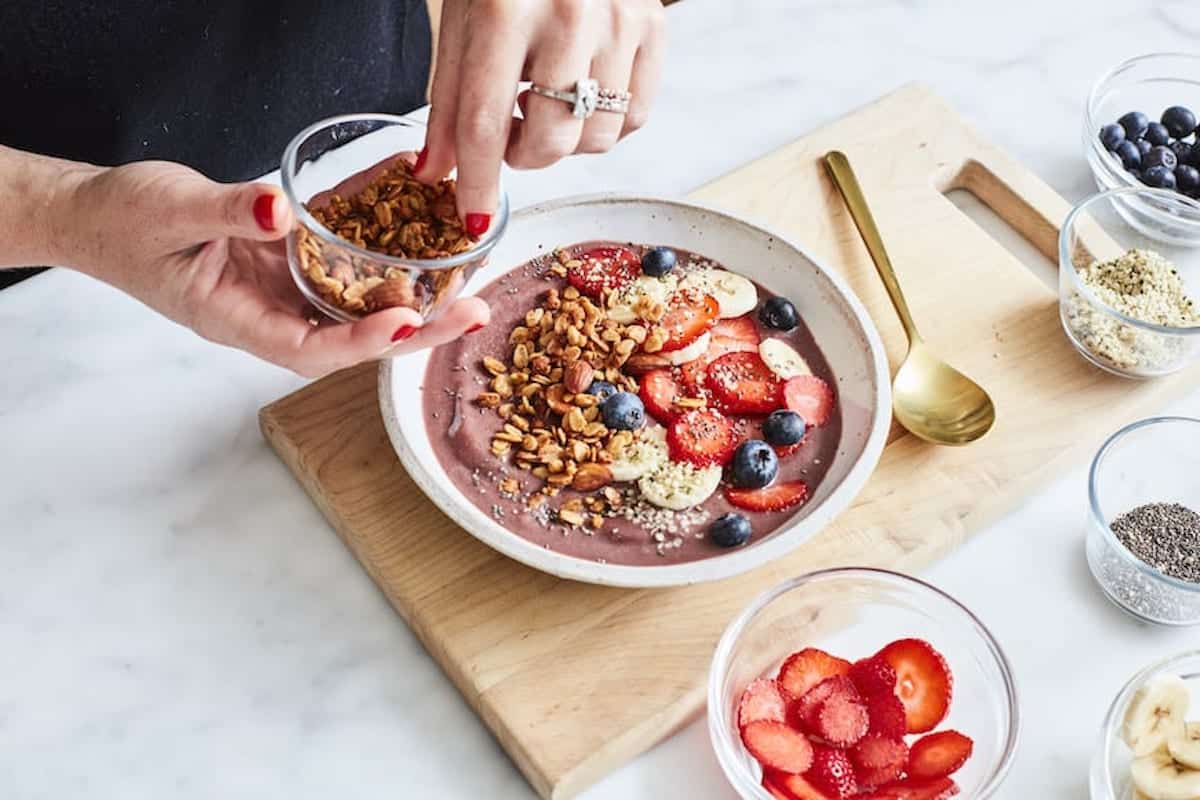
Smoothie bowls have evolved from an Instagram novelty to a nutritional staple, and the coconut acai base has emerged as the foundation of choice for health-conscious consumers. This pairing—creamy coconut with antioxidant-dense acai berries—delivers both indulgence and nutrition, a combination that’s driven explosive growth in the breakfast and snack category. What distinguishes this trend from previous food fads is its roots in sustainable agriculture and transparent sourcing, reflecting broader consumer demand for products that align with environmental values.
Understanding the Coconut Acai Base
At its core, a coconut acai base combines two nutritionally complementary ingredients into a thick, spoonable foundation for toppings. The coconut provides richness and healthy fats, while acai berries contribute deep color and concentrated antioxidants. This base has become the canvas for endless customization, from granola and fresh fruit to nut butters and seeds.
The nutritional profile explains much of the appeal:
- Coconut: Medium-chain triglycerides (MCTs) in coconut provide quick energy without the blood sugar spike of simple carbohydrates. The fruit also delivers manganese for bone health and copper for iron metabolism.
- Acai Berries: These Amazonian berries contain anthocyanins—the same compounds that give blueberries their health halo—at concentrations that rival or exceed most common fruits. Studies indicate these antioxidants may reduce inflammation markers and support cardiovascular health. The fiber content aids digestion, while omega fatty acids contribute to the berries’ nutritional density.
Together, these ingredients create a base that satisfies both nutritional requirements and taste preferences, explaining why the format has moved from specialty cafes to home kitchens.
The Science Behind Acai’s Health Claims
Acai berries have transitioned from exotic superfood to mainstream ingredient, backed by growing research into their bioactive compounds. The health benefits extend beyond general wellness marketing:
- Antioxidant Capacity: Acai demonstrates exceptionally high ORAC (Oxygen Radical Absorbance Capacity) values, measuring its ability to neutralize free radicals that contribute to cellular aging and disease.
- Cardiovascular Support: Research from the American Heart Association indicates that anthocyanin-rich foods may improve cholesterol profiles and reduce arterial stiffness.
- Cognitive Function: Preliminary studies suggest acai’s polyphenols may protect brain cells from oxidative stress, potentially supporting memory and cognitive performance as we age.
- Metabolic Health: The combination of fiber, healthy fats, and low sugar content helps regulate blood glucose levels, making acai bowls a more balanced option than traditional breakfast cereals or pastries.
While acai shouldn’t be viewed as a miracle cure, its nutrient density makes it a valuable addition to a varied diet focused on whole foods and plant-based ingredients.
Building Your Own Coconut Base at Home
Creating a restaurant-quality coconut acai base requires just a few minutes and a high-powered blender. The process is straightforward:
- Select Your Liquid: Full-fat coconut milk creates the richest texture, while coconut water offers a lighter alternative with natural electrolytes. For those watching calories, a 50-50 blend provides a middle ground.
- Add Acai: Frozen acai puree packets deliver the most authentic flavor and deepest color. Brands like Sambazon, Açaí Roots, and AcaiExotic all produce frozen puree formats suitable for home blending. Acai powder works in a pinch but produces a thinner consistency and less vibrant appearance.
- Enhance Texture: A frozen banana adds natural sweetness and creates the thick, ice-cream-like consistency that makes bowls spoonable rather than drinkable. Half an avocado contributes creaminess without altering flavor.
- Adjust Sweetness: Taste before adding sweeteners—ripe bananas often provide sufficient sweetness. If needed, a drizzle of maple syrup or date paste maintains the whole-food approach.
- Blend Strategically: Start on low speed to break down frozen ingredients, then increase to high. Stop before the mixture becomes too smooth—some texture creates a more satisfying eating experience.
Topping combinations transform the base into a complete meal:
- Fresh berries and sliced kiwi for vitamin C
- Hemp hearts or chia seeds for omega-3 fatty acids and protein
- Unsweetened coconut flakes for additional fiber and healthy fats
- Cacao nibs for antioxidants and a subtle chocolate note
- Almond butter or tahini for sustained energy
The beauty of this format lies in its adaptability—each bowl can be tailored to dietary preferences, seasonal availability, and nutritional goals.
Creative Variations on the Classic Formula
The coconut acai base serves as a versatile foundation for regional and seasonal interpretations. Professional chefs and home cooks have developed variations that maintain the nutritional benefits while exploring different flavor profiles:
- Tropical Fusion: Mango, pineapple, and passion fruit transform the bowl into a vacation-worthy breakfast. A squeeze of lime brightens the flavors and adds vitamin C.
- Berry Medley: Combining strawberries, blueberries, and raspberries with the acai creates an antioxidant powerhouse. This variation works particularly well during summer when berries reach peak ripeness.
- Green Boost: Blending spinach or kale into the base adds iron and folate without compromising taste—the coconut and acai mask any vegetal notes. Top with green apple slices and pumpkin seeds for textural contrast.
- Protein-Packed: Adding a scoop of plant-based protein powder and topping with nuts, seeds, and nut butter creates a post-workout recovery meal that supports muscle repair.
- Dessert-Inspired: Raw cacao powder blended into the base, topped with dark chocolate chips and almond butter, satisfies sweet cravings while delivering magnesium and healthy fats.
These variations demonstrate how a simple base can accommodate diverse tastes and nutritional needs, explaining the format’s staying power beyond typical food trends.
Sustainability in the Supply Chain
The environmental impact of food choices has moved from niche concern to mainstream consideration, and coconut acai bowls sit at the intersection of nutrition and sustainability. Both primary ingredients raise important questions about agricultural practices and supply chain ethics.
Coconut farming, when done sustainably, supports biodiversity and provides economic stability for tropical communities. However, increased demand has led to concerning practices in some regions:
- Monoculture Risks: Large-scale coconut plantations can reduce biodiversity and deplete soil nutrients when grown without crop rotation or intercropping.
- Labor Practices: Some coconut-producing regions have faced scrutiny over fair wages and working conditions, making certification programs increasingly important.
- Transportation Impact: Coconuts travel long distances to reach most markets, raising questions about carbon footprint that conscientious consumers must weigh against nutritional benefits.
Acai presents its own sustainability considerations. The berries grow wild in the Amazon rainforest, and harvesting them provides economic incentive to preserve rather than clear forest land.
Why Coconut Bases Outperform Alternatives
Smoothie bowl bases have proliferated in recent years, from almond milk to oat milk to yogurt foundations. Coconut has maintained its position as the preferred option for several reasons:
- Texture Superiority: The fat content in coconut creates a thick, creamy consistency that holds toppings without becoming soupy—a common problem with water-based alternatives.
- Flavor Compatibility: Coconut’s subtle sweetness complements rather than competes with acai and other fruits, creating a harmonious flavor profile.
- Nutritional Density: Unlike some plant-based milks that require fortification, coconut naturally provides minerals, healthy fats, and medium-chain triglycerides.
- Allergen Considerations: Coconut works for those avoiding dairy, soy, and nuts, making it accessible to people with multiple food sensitivities.
- Satiety Factor: The combination of fiber and healthy fats keeps hunger at bay longer than carbohydrate-heavy alternatives, making coconut-based bowls a more satisfying meal replacement.
These functional advantages explain why coconut remains the base of choice even as new alternatives enter the market, and why cafes and home cooks continue to rely on this combination for consistent results.
The Future of Functional Breakfast Foods
Coconut acai bowls represent more than a passing trend—they signal a broader shift in how consumers approach breakfast and snacking. The format combines convenience with customization, nutrition with indulgence, and personal health with environmental responsibility.
As research continues to validate the health benefits of whole-food, plant-based eating patterns, ingredients like coconut and acai will likely maintain their prominence.
The sustainability angle will only grow more important as climate concerns influence purchasing decisions. Brands that can demonstrate transparent, ethical sourcing will have competitive advantages as consumers become more sophisticated about evaluating environmental claims.
For those ready to incorporate this nutritional powerhouse into their routine, creating bowls at home offers control over ingredients, portions, and costs. The investment in quality ingredients pays dividends in both health outcomes and eating enjoyment, making the coconut acai bowl a rare intersection of what tastes good and what does good.