Food Banks A Complete Guide to Food Assistance
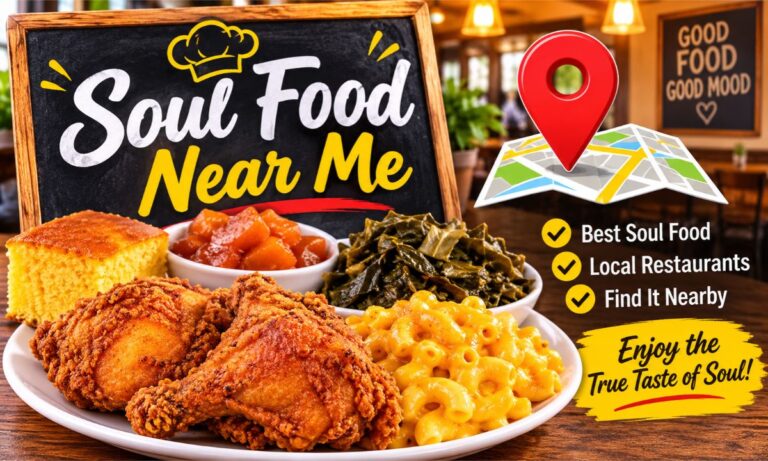
When people search for soul food near me, they often want affordable, delicious meals that bring comfort and satisfaction. However, many families face a more serious challenge: finding enough food to eat every day. Food assistance programs help people manage this problem and provide support during difficult times.
Food is one of the most important basic needs. Everyone deserves access to safe, healthy, and nutritious meals. Yet many people struggle to buy groceries because of low income, job loss, rising food prices, or unexpected expenses.
Food banks play an important role in helping these individuals and families. They collect food donations, organize supplies, and distribute groceries to people who need assistance. Their work helps reduce hunger and supports stronger communities.
In this guide, you will learn what these organizations do, how they operate, who can receive help, and how people can support their work.
What Are Food Banks?
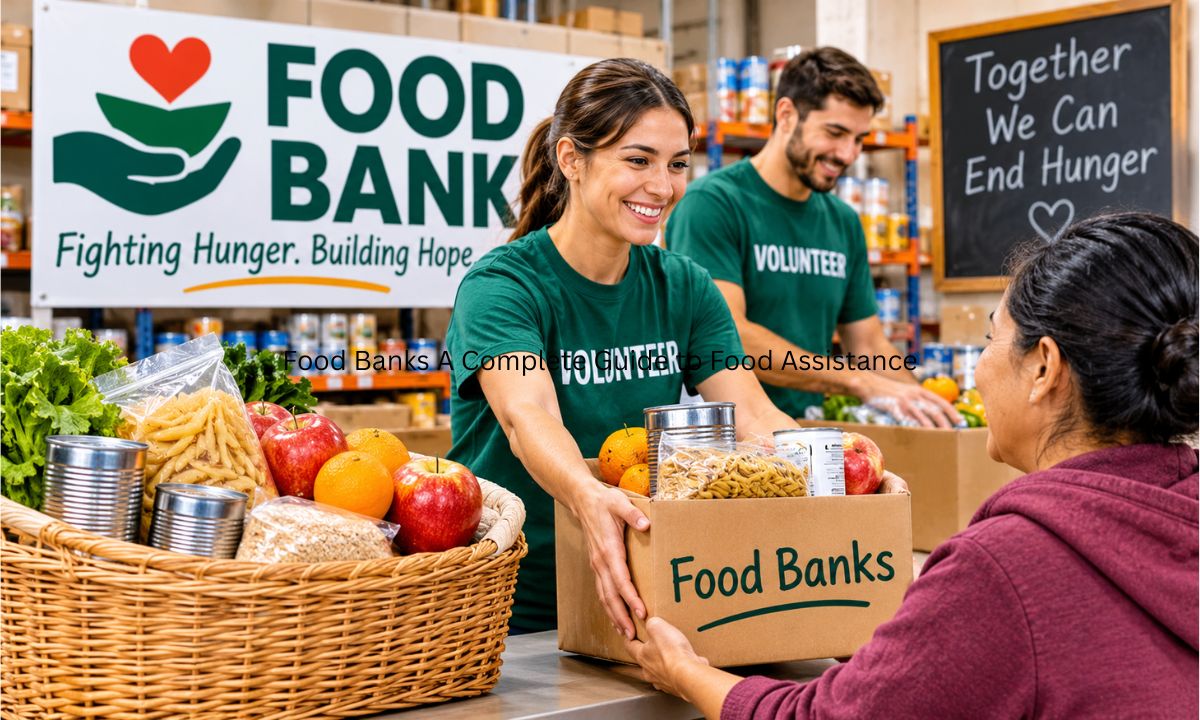
Food banks are nonprofit organizations that collect, store, and distribute food to people experiencing hunger. They usually receive donations from grocery stores, food companies, farmers, charities, and individuals. These organizations work to make sure that people have access to essential food items, even when they cannot afford to buy enough groceries.
Unlike regular grocery stores, food banks do not operate mainly to make a profit. Their primary purpose is to support people who face food insecurity. Food insecurity means that a person or family does not have reliable access to enough food for an active and healthy life.
Some organizations distribute food directly to families. Others supply smaller food pantries, shelters, schools, and community centers that serve people in need.
How Do Food Banks Work?
The process usually begins with food collection. Donors provide food items that organizations can safely store and distribute. Some donations include packaged groceries, canned foods, fresh vegetables, fruits, and other essential products. Food companies may also donate products that remain safe to eat but cannot be sold through regular stores.
After collecting donations, workers and volunteers sort the food. They check packaging, expiration dates, and storage conditions to make sure the products remain safe. Next, the organization stores the food in suitable areas. Some items need dry storage, while others require refrigeration or freezing.
When local charities or families request assistance, the organization prepares food packages or supplies community partners. This process helps move food from donors to people who need it. It also reduces waste by giving usable food a second chance to serve the community.
Organizations such as Feeding America help fight hunger by connecting food donations with local food banks and communities that need support.
Who Can Receive Help?
Food assistance programs often support people who cannot afford enough groceries. However, eligibility rules may differ from one organization to another. Many programs help low-income families, unemployed individuals, older adults, people with disabilities, and people experiencing homelessness.
Students may also receive food assistance if they struggle to pay for meals while studying. Families affected by emergencies can sometimes receive support as well. For example, floods, storms, fires, or sudden medical expenses may create financial problems that make it difficult to buy food.
Some organizations require proof of income or address. Others provide assistance without asking for detailed personal information. People should contact their local organization to learn about its requirements before visiting.
What Food Items Are Usually Available?
The type of food available depends on donations, storage facilities, and local needs. Many organizations provide basic groceries that families can use to prepare meals at home.
Common food items include:
| Food Category | Common Examples |
| Grains | Rice, flour, bread, pasta |
| Canned foods | Beans, soup, vegetables |
| Protein | Lentils, chickpeas, canned fish |
| Fruits | Apples, oranges, canned fruit |
| Vegetables | Potatoes, onions, carrots |
| Dairy products | Milk, powdered milk |
| Cooking essentials | Oil, sugar, salt |
Some programs also provide fresh produce, frozen foods, baby food, and special dietary products.
The goal is to offer useful food that helps people prepare balanced meals. However, the exact selection may change each week because organizations depend heavily on donations.
Are Food Assistance Programs Free?
Most charitable food distribution programs provide groceries free of charge.
People usually do not need to pay for the food they receive. Some organizations may ask visitors to complete a registration form or provide basic information, but this does not mean they must purchase anything.
Food assistance can help families reduce grocery expenses. This support may allow them to use their limited income for other important needs, such as rent, electricity, transportation, and medicine.
However, each organization has its own rules. People should check the details before visiting to avoid confusion.
Food Banks vs. Food Pantries
Many people use the terms food bank and food pantry interchangeably. Although they both help reduce hunger, they often perform different roles. A food bank usually operates on a larger scale. It collects and stores large amounts of food and supplies other organizations.
A food pantry usually serves people directly. It may operate from a church, community center, school, or nonprofit building. For example, a food bank may supply rice, canned vegetables, and other groceries to several local pantries. Those pantries then distribute the food to families in their neighborhoods.
This system allows organizations to work together and reach more people.
How to Find Food Assistance Near You
People looking for food assistance can begin by contacting local charities, community centers, religious organizations, or social service offices.
Many communities also have nonprofit websites that list food distribution locations and operating hours.
Before visiting, it is helpful to check the following details:
- The organization’s location and opening hours
- Whether registration is required
- Which documents visitors may need
- Whether the organization provides fresh or packaged food
- How often a person can receive assistance
Some locations operate only on certain days. Others require appointments because they have limited supplies.
Calling ahead can help people understand the process and save time.
How Food Banks Help Reduce Food Waste
Food waste is a major concern in many communities. Grocery stores, farms, restaurants, and food manufacturers sometimes have products they cannot sell through normal channels. These products may still be safe and useful. For example, a store may donate packaged food that has damaged outer packaging but remains unopened and safe.
Food assistance organizations collect suitable donations and distribute them before they become waste. This process benefits both people and the environment. Families receive food, while businesses reduce the amount of usable food they throw away.
However, food safety remains important. Organizations must reject spoiled, contaminated, or unsafe products.
How Can You Donate Food?
People can support food assistance programs by donating groceries, money, or their time. Before donating food, check the organization’s guidelines. Many programs prefer unopened, nonperishable items with clear labels and safe packaging.
Popular donation items include canned beans, pasta, rice, cereal, peanut butter, and canned vegetables. Some organizations also accept fresh produce, but they may have specific rules for storage and delivery.
Financial donations can also make a difference. Organizations often use donated money to purchase food in larger quantities or cover transportation and storage costs.
Even a small donation can help provide meals for people facing difficult circumstances.
How Can Volunteers Help?
Volunteers are an important part of many food assistance programs. They help organizations manage donations and distribute supplies efficiently. Common volunteer tasks include sorting groceries, packing food boxes, organizing shelves, loading vehicles, and helping visitors during distribution.
Some volunteers also assist with transportation or administrative work. People who want to volunteer should contact a local organization and ask about available opportunities. Many programs welcome individuals, families, students, and community groups.
Volunteering offers a practical way to support neighbors and learn more about hunger in the community.
Why Food Assistance Matters
Hunger affects more than a person’s stomach. It can also affect health, education, work, and emotional well-being. Children who do not receive enough nutritious food may struggle to concentrate in school. Adults who face hunger may find it harder to maintain energy and perform daily tasks.
Food assistance helps reduce these challenges by providing basic groceries and supporting families during difficult periods. It also encourages community cooperation. Donors, volunteers, businesses, and nonprofit organizations work together to help people meet an essential need.
Final Thoughts
Food assistance organizations provide an important service to communities around the world. They collect donated groceries, reduce food waste, and help individuals and families access meals when money becomes tight.
Whether someone needs temporary support or wants to help others through donations and volunteering, local food programs can make a meaningful difference.
By understanding how these organizations work, people can find assistance when they need it and support others who face hunger.
Everyone deserves access to nutritious food, and community food programs help move society closer to that goal.