
The Social Side of Eating: Why It Matters More Than You Think
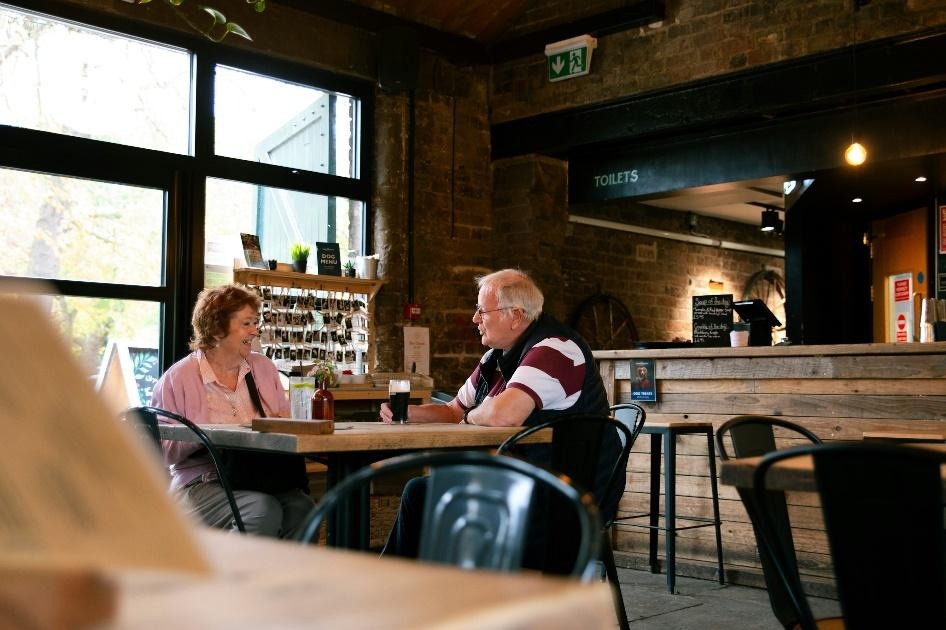
Food has always been about more than what sits on the plate. In Los Angeles, where communities are shaped by the cultures and traditions that fill their kitchens and dining tables, the act of sharing a meal carries a weight that goes far beyond nutrition.
Sitting down together creates opportunities for conversation, laughter, and the kind of meaningful human interaction that people often take for granted. Whether it happens around a family table, at a neighborhood gathering, or inside a communal dining hall, the social element of eating shapes how people connect with one another and, ultimately, how they feel about their daily lives.
How Shared Meals Shape Everyday Well-being
Something powerful happens when people eat together on a regular basis. The simple act of gathering around a table creates a rhythm, a sense of routine that anchors the day and gives people something to look forward to. For older adults living in senior communities, this routine becomes especially meaningful. Communal dining rooms offer more than scheduled mealtimes. They become spaces where friendships form, stories are exchanged, and a feeling of belonging takes root.
The quality of that experience often depends on the thought and care behind every meal that reaches the table. When dishes are prepared with attention to flavor, presentation, and dietary needs, residents are far more likely to sit longer, engage with those around them, and return the next day looking forward to the experience all over again. Marbled LA has built its senior living dining programs around this very idea, crafting meals that turn ordinary mealtimes into genuine moments of connection and comfort.
The Emotional Weight of Eating Alone
Isolation is something that creeps in quietly, and it often starts at the table. When meals become solitary events, eaten in silence or in front of a screen, the emotional toll builds over time. People who consistently eat alone tend to feel more disconnected from those around them, and that sense of disconnection can affect everything from mood to appetite. Loneliness and poor eating habits often feed into each other, creating a cycle that is difficult to break without intervention.
For seniors, this cycle can be particularly damaging. The absence of mealtime companionship removes one of the most natural and accessible forms of social engagement. Recognizing this pattern is the first step toward addressing it, and it begins with understanding that food and fellowship are deeply intertwined.
Why Conversation Flows More Freely at the Table
There is something uniquely disarming about sitting down to eat with other people. Unlike formal meetings or planned social outings, a shared meal comes with no agenda. The focus stays on the food, the flavors, and the company, which allows conversation to develop organically. People who might struggle to open up in other settings often find it easier to talk over a warm plate.
The informal nature of dining together removes pressure and creates a comfortable space where people can be themselves. This is why communal meals have been a cornerstone of human culture for centuries. They offer a setting where social interaction happens naturally, without force or obligation.
Building Stronger Communities One Meal at a Time
A neighborhood, a workplace, or a residential community all function better when the people within them feel genuinely connected. Shared meals play a surprisingly large role in building that kind of connection. When people eat together consistently, they develop familiarity, trust, and a sense of mutual care that extends beyond the dining table.
Community gardens that host potluck dinners, senior living facilities that prioritize group dining, and office teams that share lunch together all benefit from the same principle. The table becomes a gathering point, a place where differences fade, and common ground is discovered. Over time, these small, repeated acts of eating together weave a stronger social fabric that holds communities together through challenges and change.
Nourishing the Body and the Spirit Together
Good food satisfies hunger, but a good meal satisfies something deeper. The experience of eating well in the company of others touches on emotional and psychological needs that are just as real as physical ones. Feeling seen, heard, and included during a meal contributes to a sense of purpose and belonging that carries through the rest of the day. For aging populations in particular, the dining experience can become one of the most important touchpoints for emotional well-being.
When mealtimes are treated as opportunities for genuine human connection rather than just a transfer of calories, the benefits ripple outward. People eat better, engage more, and carry a lighter emotional load. A plate of food prepared with care sends a message that someone thought about the person eating it, and that small gesture can shift the entire tone of a day. Over time, these moments of feeling valued at the table add up, building a foundation of emotional stability that supports overall health. The connection between what people eat and how they feel is strongest when the meal itself is surrounded by warmth and company.
A Tradition Worth Protecting
Throughout history, the most important conversations, celebrations, and reconciliations have taken place at the table. That tradition endures because eating together speaks to something fundamental about what it means to be human. In a world that increasingly encourages speed and convenience, the act of slowing down to share a meal with someone else is quietly revolutionary. Protecting that tradition means being intentional about creating spaces and opportunities for communal dining, especially for those who might otherwise eat alone. It means recognizing that the social side of eating is not a luxury. It is a necessity that shapes health, happiness, and the strength of the bonds between people.
Every generation has carried this tradition forward in its own way, adapting it to new circumstances while preserving its core purpose. The settings may change, from open hearths to modern dining rooms, but the human need to gather and eat together remains constant. Keeping that tradition alive requires nothing more than a willingness to sit down, share a plate, and give someone the gift of unhurried company.