
Commercial Linen How the Right Linens Improve Comfort, Hygiene, and Business Performance
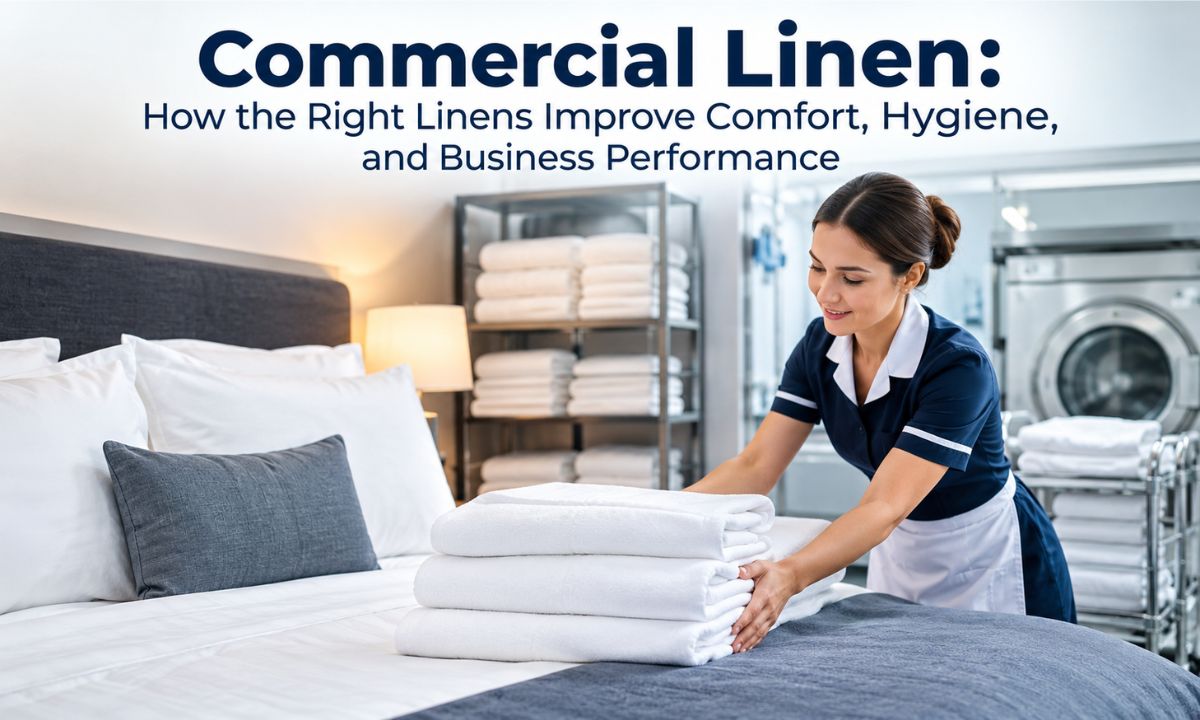
Commercial linen plays a much bigger role in business operations than many people realize. From hotels and restaurants to healthcare facilities, spas, salons, and hospitality venues, linen products support cleanliness, comfort, presentation, and everyday efficiency.
Unlike household linens, commercial linen is designed to handle frequent use, repeated washing, and demanding working environments. Choosing the right products can help businesses maintain professional standards while controlling replacement costs and creating a better experience for customers and staff.
What Is Commercial Linen?
Commercial linen refers to fabric-based products purchased and used by businesses rather than individual households. These products can include bed sheets, pillowcases, towels, tablecloths, napkins, bath mats, uniforms, kitchen towels, and other textile items.
Because commercial environments often require linens to be washed and reused frequently, these products are generally selected for durability, practicality, and ease of maintenance. The ideal linen should remain comfortable and presentable even after repeated laundering.
For businesses, commercial linen is not simply a decorative feature. It can become an important part of daily operations and customer service.
Where Is Commercial Linen Used?
A wide range of industries depend on reliable linen supplies.
Hotels and Accommodation
Hotels need large quantities of sheets, pillowcases, towels, bath mats, and other textiles. Guests naturally expect their rooms and bathrooms to look clean and feel comfortable.
High-quality linen can contribute to a more pleasant stay while helping housekeeping teams work efficiently. Durable materials are particularly valuable because hotel linens may be washed hundreds of times throughout their working life.
Restaurants and Catering Businesses
Restaurants use tablecloths, napkins, kitchen towels, and other textiles throughout the day. Clean and well-maintained table linen can enhance the appearance of a dining area and contribute to a professional atmosphere.
Commercial kitchen linens also need to withstand frequent washing and exposure to moisture, food, and cleaning products.
Healthcare Facilities
Hospitals, clinics, nursing homes, and other healthcare environments have demanding hygiene requirements. Bedding, towels, patient garments, and other textiles must be suitable for frequent cleaning and careful handling.
In these settings, linen selection should prioritize hygiene, durability, and appropriate laundering procedures.
Spas and Salons
Spas, beauty salons, and wellness centers rely heavily on towels, robes, sheets, and other textile products. Customers associate clean, soft, fresh-smelling linens with comfort and professionalism.
Using suitable commercial linen can help businesses maintain consistent standards across every customer visit.
Why Quality Matters
The cheapest linen is not always the most economical option. Commercial textiles are exposed to repeated use and washing, so poor-quality materials can wear out quickly.
Durable linen can provide several important advantages:
- Longer service life: Strong fabrics can withstand repeated laundering.
- Consistent appearance: Quality textiles are more likely to retain their shape and presentation.
- Better customer comfort: Soft, absorbent towels and comfortable bedding can improve the user experience.
- Operational efficiency: Reliable products reduce the need for frequent replacement.
- Professional presentation: Clean, well-maintained linens can reinforce a business’s image.
The goal is to find the right balance between purchase price, performance, maintenance requirements, and expected lifespan.
Choosing the Right Commercial Linen
Businesses should consider several factors before purchasing linen products.
Fabric and Material
Different applications require different materials. Cotton is widely appreciated for softness and absorbency, while cotton blends can offer durability and easier maintenance.
The best choice depends on where the linen will be used and how frequently it will be washed.
Durability
Commercial linen needs to survive repeated laundering without quickly becoming thin, damaged, or misshapen. Look for products designed specifically for professional environments rather than assuming household-grade textiles will perform equally well.
Absorbency
For hotels, spas, salons, and healthcare facilities, absorbency is particularly important. Towels and similar products need to remove moisture effectively while remaining comfortable against the skin.
Ease of Maintenance
Laundry requirements can have a major effect on operating costs. Linen that can be washed efficiently, dries reasonably quickly, and maintains its quality through repeated cycles may offer better long-term value.
Size and Fit
Correct sizing is essential. Sheets should fit mattresses properly, tablecloths should suit the tables being used, and towels should match their intended purpose.
Small details such as these can make daily operations smoother.
Commercial Linen and Customer Experience
Customers may not always consciously notice every piece of linen in a business, but they often notice when something looks dirty, worn, rough, or poorly maintained.
A hotel room with crisp bedding and fresh towels creates a different impression from one with faded or damaged textiles. Similarly, neatly presented table linen can make a restaurant feel more polished.
This means linen can contribute to the overall customer experience without being the central focus of it. Clean, comfortable textiles help create an environment where customers can concentrate on the service itself.
Hygiene Should Be a Priority
Frequent laundering is one of the defining characteristics of commercial linen management. Businesses need appropriate washing, drying, storage, and handling procedures to prevent clean textiles from becoming contaminated again.
Clean linen should be stored in suitable conditions, away from moisture and potential sources of contamination. Used linen should also be separated and handled according to the requirements of the specific industry.
For healthcare and other sensitive environments, businesses should follow relevant professional hygiene and laundry standards rather than relying on general household practices.
Renting vs. Buying Commercial Linen
Businesses typically have two main approaches: purchasing their own linen or using a professional linen rental and laundry service.
Buying gives a company direct control over its inventory and can make sense for businesses with suitable laundry facilities and staff. However, it also means managing washing, drying, storage, repairs, replacements, and stock levels.
A linen service can take much of that responsibility away. Depending on the provider and business needs, services may include delivery, collection, laundering, replacement, and inventory management.
The right option depends on factors such as business size, laundry capacity, staffing, usage levels, and budget.
How to Reduce Linen Waste
Effective linen management can help businesses control costs and reduce unnecessary waste.
Start by tracking how much linen is being used and how often items need replacing. Separate heavily worn products from those that are still suitable for use, and establish clear procedures for collecting and storing used textiles.
It is also worth investing in durable products rather than repeatedly purchasing inexpensive items that have short service lives.
Proper washing practices matter as well. Excessive heat, harsh chemicals, or unsuitable drying processes can shorten the lifespan of textiles. Following manufacturer care instructions can help preserve their performance for longer.
The Long-Term Value of Commercial Linen
Commercial linen should be viewed as an operational investment rather than a simple consumable expense. A product that costs slightly more initially may prove more economical if it lasts longer, performs better, and requires fewer replacements.
Businesses should therefore consider total cost of ownership. Purchase price is only one part of the equation. Washing requirements, durability, replacement frequency, storage needs, and customer expectations can all influence the actual cost.
Final Thoughts
Commercial linen supports many of the everyday details that help businesses operate smoothly. Whether it is a hotel bed, a restaurant table, a spa treatment room, or a healthcare facility, the quality and condition of textiles can influence hygiene, comfort, efficiency, and customer perception.
The best approach is to choose linen based on its intended use, durability, maintenance requirements, and long-term value. When businesses treat linen as an important part of their operations rather than an afterthought, they can create cleaner environments, improve customer experiences, and manage resources more effectively.