
Shipping Food Overseas: What to Know Before You Pack
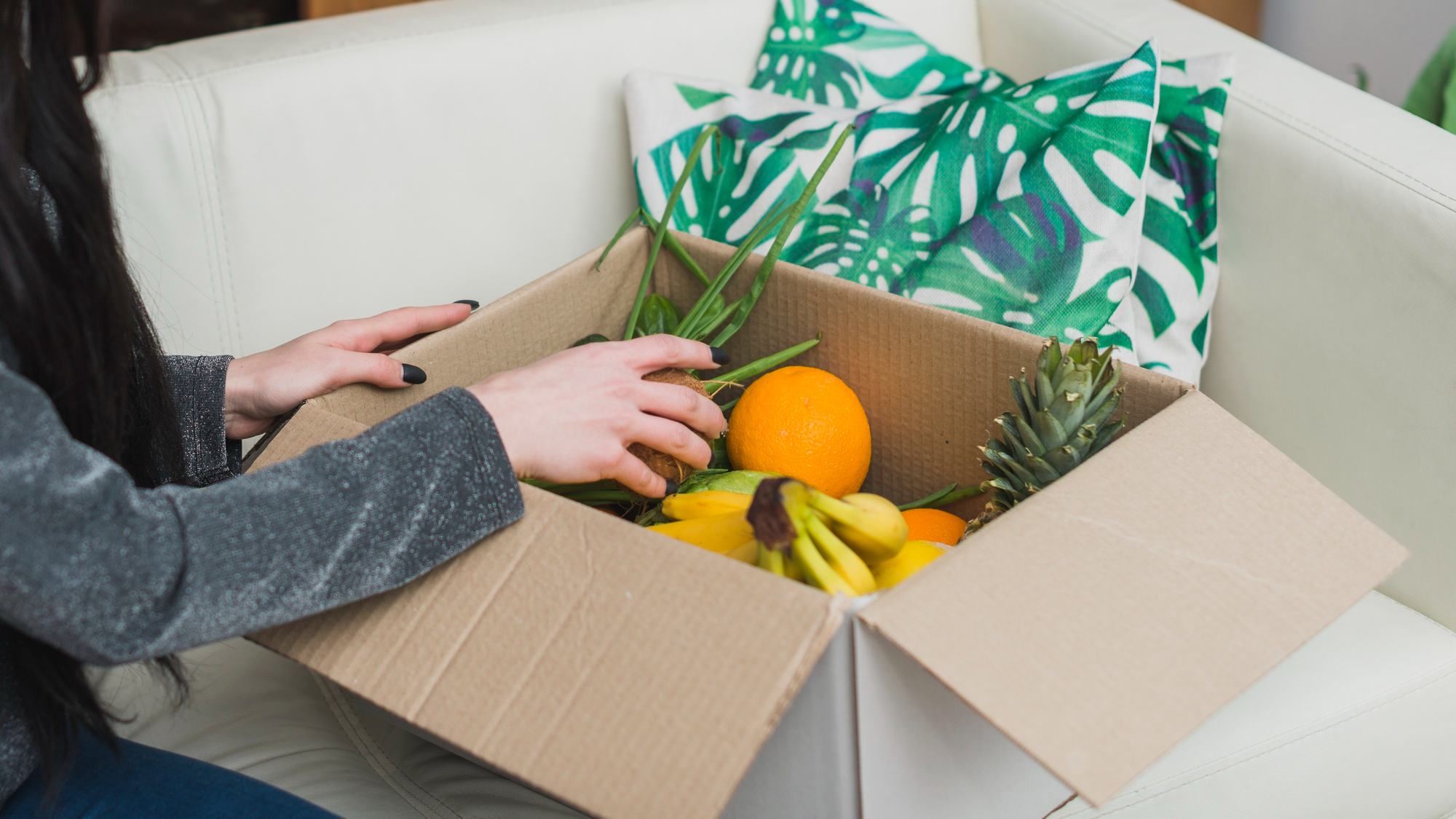
Food parcels require more planning than boxes filled with clothing or books. Before choosing an international shipping company, check whether the destination accepts the product, whether it can remain stable during transit, and whether its packaging can handle a long route. The right decision starts with the food itself.
An international shipping company may provide general guidance, but import rules are set by the receiving country. The sender remains responsible for checking restrictions and describing every item accurately.
Factors to Consider When Shipping Food Items
Some products tolerate transport well, while others spoil, leak, or lose quality quickly. Before handing the parcel to an international shipping company, evaluate the following points:
- shelf life — choose products that will remain safe and usable beyond the expected arrival date;
- factory seal — keep food in unopened retail packaging with intact labels and ingredient information;
- temperature sensitivity — avoid items that require refrigeration, freezing, or strict climate control;
- package strength — select containers that resist pressure, punctures, and repeated handling;
- destination restrictions — confirm that the country permits the product and quantity being sent.
These checks help separate suitable contents from items that create avoidable risk. They also give the international shipping company clearer information for processing the parcel.
Commercially packaged dry goods are usually easier to send than homemade or short-life products. Powders, glass containers, and strong-smelling items need extra protection because damage can affect the entire parcel.
Why Checking the Allowed Food List Is an Important Step
Food regulations differ because countries protect agriculture, public health, and local ecosystems. Meat, dairy products, seeds, fresh produce, and homemade foods may face strict limits or complete prohibition.
Do not assume that a product is permitted because it is sold legally in the US. Before booking with an international shipping company, review the rules for the exact destination and food category.
The customs declaration should use specific names such as “sealed chocolate bars” or “packaged black tea.” An international shipping company can carry the parcel, but it cannot replace accurate information from the sender.
Keep ingredient lists, expiration dates, and retail labels visible. These details may help authorities identify the contents without opening every inner package.
How to Prevent Leaks, Crushing, and Odor Transfer
Place each food item in a separate protective bag, even when the original wrapper appears secure. Wrap glass jars with cushioning, keep heavy products at the bottom, and use dividers between rigid containers.
Fill open spaces so the goods cannot slide during sorting. Strong odors should be isolated in sealed bags and kept away from paper or fabric.
After closing the box, lift it and listen for movement. If anything shifts, reopen the parcel and add support before giving it to the international shipping company.
The sealed package should remain clean, dry, and strong enough for repeated handling. Accurate dimensions and contents details should be recorded only after all protective materials are added.
Food parcels are safer to send when every item is permitted, shelf-stable, sealed, and well protected. Meest-America is a convenient international shipping company that lets customers arrange shipments online, choose a suitable drop-off point, and track parcels abroad. This preparation reduces the risk of damage, delays, and customs questions.