
Hard Wax for Training New Specialists in Professional Waxing Studios
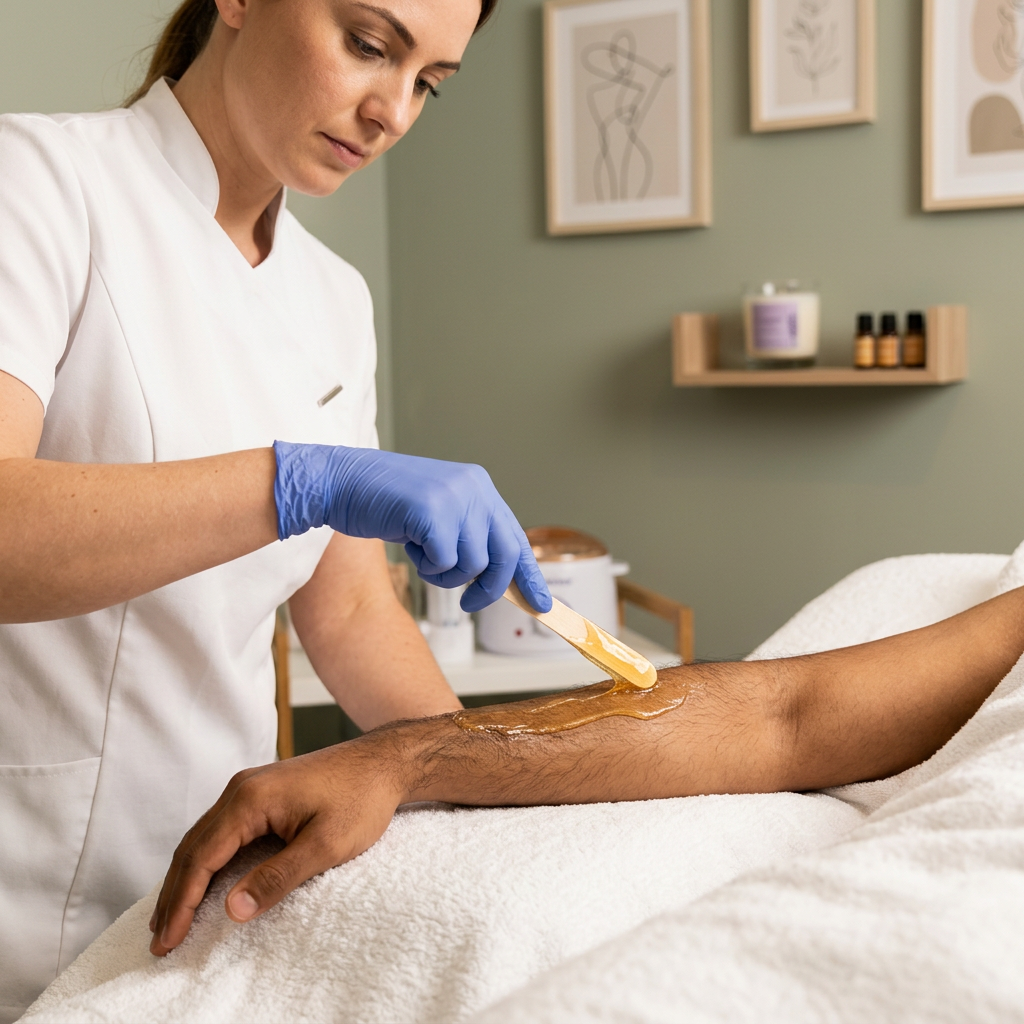
A training studio needs products that help beginners build control without slowing senior specialists. For training teams, hard wax gives new specialists a clear way to learn temperature, layer thickness, edge building, and removal timing during professional treatments. It sets on the skin, grips the hair, and removes without strips, so each movement teaches accuracy.
Training with weak or unstable wax creates confusion. One product may crack, another may stretch too much, and a third may lose grip before removal. A stable professional formula helps beginners focus on hand position, skin tension, and clean application instead of fighting the product.
Why Hard Wax Works Well for Skill Building
New specialists need to feel how wax changes from melted texture to ready-to-remove texture. Hard wax shows this process well because timing, thickness, and edge shape directly affect the result. If the layer is too thin, it may tear. If it is too thick, removal becomes heavier and less precise.
This makes the product useful for practice under supervision. Trainers can show how to load the spatula, spread the wax with steady pressure, and create a small lifted edge for removal. The specialist learns to work in sections instead of rushing through a large area.
Hard wax is also useful for teaching zone control. Face, underarms, bikini, and other delicate services need careful placement. A beginner can practice smaller patches, clean borders, and proper direction while using a product made for professional depilation.
What Training Studios Should Check Before Buying Wax
A training room needs wax that behaves predictably across several users. Different beginners may apply different pressure, speed, and thickness, so the product should stay forgiving but professional. Before ordering wax for education and daily salon practice, compare these points:
- elastic texture that does not break during removal;
- steady grip on short and medium hair;
- comfortable working temperature for supervised practice;
- enough setting time for beginners to correct placement;
- clean edge formation for safer lifting;
- low residue after removal;
- compatibility with professional warmers and accessories.
A wax used for training should not be too difficult for beginners, but it also should not hide mistakes completely. The product has to show when the layer is uneven, when the edge is weak, or when the removal angle needs correction.
How the Right Wax Supports Salon Standards
Training products should match the products used during real services. If students practice with one wax and then work with a completely different texture on clients, the transition becomes harder. A consistent product line helps build habits that stay useful after training.
The right wax also helps control product use. Beginners often take too much wax on the spatula or apply uneven layers. A stable formula with good spread helps reduce waste while still teaching correct portion control.
For managers, this affects stock planning. A product used in training should also fit the salon shelf, so supplies are easier to order and rotate. This keeps education, practice, and paid appointments connected through one reliable system.
For a studio, this makes buying easier. Trainers can select wax for practice, then add products for delicate zones, dense hair, and larger treatments as the team grows. The ItalWax website gives professional buyers a practical way to build a training setup that supports cleaner technique, better product control, and smoother salon work.