How Frozen Falafel Fits Into a Busy Meal Routine
Meal plans can collapse quickly between school, work, long commutes, errands, and everything else competing for your time. You still want food that tastes good and feels worth eating, not just another emergency bowl of cereal. Frozen falafel can be a practical option for exactly that reason. It’s fast, flexible, and easy to work into the kind of week you actually have.
Why Frozen Falafel Works So Well
Busy households often juggle packed schedules, grocery budgets, and the constant question of what to cook when time is short. Falafel fits neatly into that reality because it stores well, cooks quickly, and works across different diets. You can serve it in wraps, bowls, salads, or snack plates without building an entire meal from scratch.
It also suits the way many people shop now. Bulk buys, freezer prep, and convenience with decent nutrition matter more than ever. In cities such as Toronto, Vancouver, and Montreal, where diverse food culture shapes everyday eating, falafel already feels familiar rather than niche. You’re not making a dramatic culinary statement. You’re just making dinner easier, which is often the real victory.
What You’re Actually Getting With Frozen Falafel
Not all frozen foods deserve a gold star, and you probably know that from one too many disappointing boxes. Falafel tends to hold up better than many freezer staples because its texture and flavor are built on sturdy ingredients like chickpeas, herbs, garlic, and spices. Those flavors don’t vanish the second they hit a freezer.
When you buy frozen falafel, you’re usually choosing a product designed for convenience without requiring a chemistry degree to decode the ingredient list. Many options are plant-based and high in fiber, which helps if you want meals that feel filling instead of flimsy. The best versions come out crisp outside and tender inside, not sad and spongey. That distinction matters more than brands like to admit.
Smart Ways to Add It to Weeknight Meals
You do not need chef-level skills to make frozen falafel taste like part of an intentional meal. A little structure goes a long way. Think in terms of base, protein, crunch, and sauce. Falafel already covers the protein piece, so the rest becomes easy to build from whatever is in your kitchen.
Try options like these:
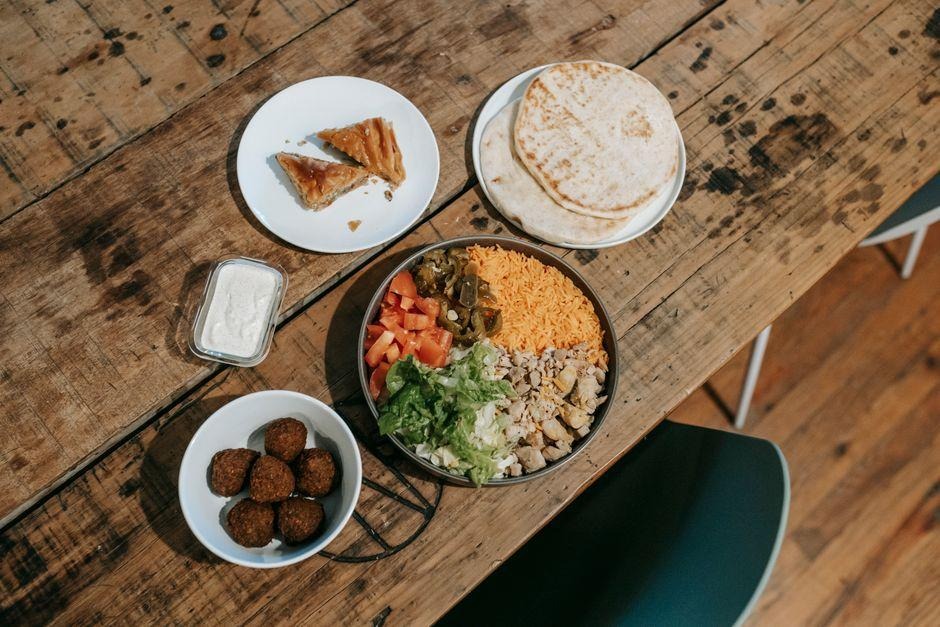
– Add falafel to a rice bowl with cucumber, tomato, pickled onions, and tahini
– Tuck it into pita with lettuce, hummus, and hot sauce
– Serve it over a chopped salad for a fast lunch
– Pair it with roasted potatoes and garlic sauce for a filling dinner
– Use it in a grain bowl with quinoa and shredded carrots
That kind of flexibility helps reduce food waste too. Leftover vegetables suddenly have a job, which is more than some fridge items can say.
How to Make It Taste Better Than Basic
Frozen falafel is convenient, but convenience should not sentence you to bland food. The trick is paying attention to texture and contrast. If you bake or air-fry it until the outside crisps properly, you’re already ahead. Microwave-only falafel can work in a pinch, though it rarely brings much excitement. Let’s not pretend otherwise.
Sauce makes a huge difference. Tahini dressing, garlic sauce, tzatziki, or even a lemony yogurt mix can turn a simple meal into something you’d happily repeat. Fresh toppings matter too. Chopped parsley, sliced radish, pickled turnips, or a squeeze of lemon can wake everything up fast.
If you want a stronger result, warm your pita, season your salad, and add one thing with crunch. That tiny effort keeps the meal from tasting assembled in a hurry, even when it absolutely was.
What to Look for When You Shop
Standing in a freezer aisle can feel like a small test of judgment. Packaging promises a lot. Results vary. Start with the ingredient list. You want chickpeas and recognizable seasonings near the top, not a parade of filler. Sodium levels deserve a quick check too, especially if you plan to pair falafel with salty sauces or packaged sides.
Keep these details in mind:
– Look for simple ingredients you recognize
– Check cooking instructions for oven or air fryer options
– Compare protein and fiber per serving
– Watch sodium if you’re balancing overall intake
– Consider package size based on how often you’ll use it
Canadian shoppers also benefit from checking whether a product matches their dietary needs, including vegan, halal, or allergen-related preferences. Practical shopping beats impulse freezer roulette every time.
Why It Appeals to Students, Families, and Professionals
Frozen falafel works across age groups because it solves different problems for different people. If you’re a student, it gives you a low-effort meal that feels more substantial than instant noodles. If you’re feeding a family, it can support a build-your-own dinner setup where everyone chooses their own toppings. That usually reduces mealtime complaints, a rare household luxury.
For busy professionals, falafel fits meal prep without becoming repetitive. You can portion it into lunches, switch sauces through the week, and avoid that familiar desk-lunch slump. It also helps when you want a meatless option that still feels complete.
In larger Canadian cities, where convenience foods often compete with takeout, frozen falafel lands in a sweet spot. It saves time and money while giving you more control over ingredients, portions, and how the final meal actually tastes.
Real-World Tips for Storing and Serving It Well
A freezer staple only stays useful if you manage it properly. If a bag gets buried under ice cream and mystery leftovers, it may as well not exist. Keep falafel visible and store it in a section of the freezer you actually check. Small systems beat grand intentions.
A few practical habits can help:
– Cook only what you need to preserve texture
– Use an air fryer for faster crisping
– Keep quick toppings on hand like hummus, cucumbers, and greens
– Pair it with one fresh element to brighten the plate
– Rotate older freezer items forward so they get used first
Serving matters too. A plate with color, crunch, and sauce feels more satisfying than plain falafel dropped beside nothing in particular. You’re still making a fast meal, just one with better instincts.
Final Thoughts on Making Frozen Falafel Part of Your Routine
Frozen falafel earns its place by being adaptable, affordable, and genuinely easy to use. It fits the pace of Canadian life, whether you’re managing classes, work shifts, family meals, or a week that went off the rails by Tuesday. You get convenience without giving up the chance to eat something flavorful and balanced.
The real advantage is not novelty. It is reliability. When your freezer includes one ingredient that can become lunch, dinner, or a snack plate with very little effort, your whole routine gets easier. Some foods are just there. Falafel actually pulls its weight, which is more than you can say for that bag of frozen peas from last winter.