
The New Blueprint for Hospitality Scale: Integrating Capital Velocity, Operational Safety, and System Integration
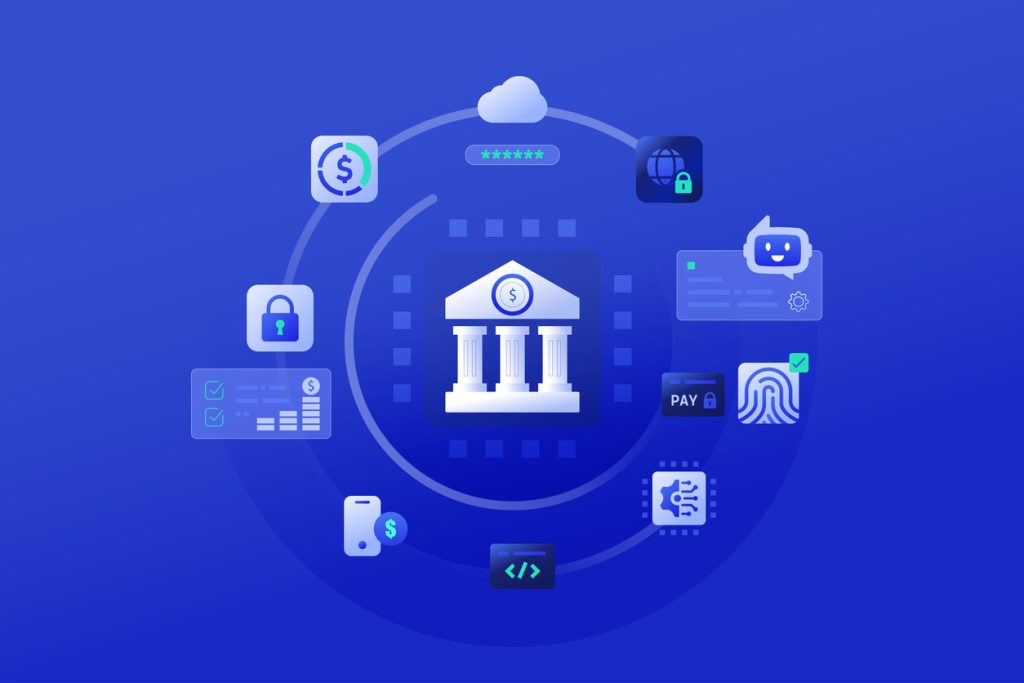
The commercial parameters defining expansion in the hospitality and food service industry are undergoing a fundamental, structural transformation. For generations, scaling a restaurant group or dining franchise was measured almost entirely by physical assets-the geographic acquisition of prime real estate, the visual footprint of brick-and-mortar storefronts, and the continuous accumulation of high-capacity kitchen hardware. In that legacy operational framework, financial planning was largely static, cross-departmental communication was heavily manual, and data tracking was isolated within distinct, localized organizational silos.
In the contemporary economy, however, this top-heavy business design has transformed into a critical operational liability. True commercial value, consumer loyalty, and operational velocity have permanently migrated away from physical assets toward fluid digital ecosystems. Today’s high-performing culinary brands rely implicitly on real-time inventory tracking pipelines, automated omnichannel ordering systems, and unified customer data repositories. For modern dining enterprises aiming for sustainable growth, this transition introduces a highly complex management paradox. The exact digital mechanisms that allow an organization to rapidly enter new territories and maximize sales speed also dramatically expand its vulnerability to sophisticated external threats and unexpected cash flow constraints. To achieve long-term market leadership, executives must integrate proactive capital allocation, rigorous data protection, and unified software architectures into a single, synchronized engine.
Strategic Capital Allocation and Infrastructure Resiliency
When an emerging hospitality group or dining concept captures strong product-market fit, the immediate focus of executive leadership naturally turns toward acceleration. Whether powered by private credit, institutional equity, or decentralized alternative lending lines, these high-growth phases typically trigger an aggressive wave of technical deployments. Teams scramble to onboard new software-as-a-service (SaaS) environments, deploy mobile application frameworks, and establish automated kitchen display systems to handle the incoming rush of consumer demand across multiple channels simultaneously.
However, when organizational speed outpaces structural IT oversight, a dangerous vulnerability gap opens. Rapid software procurement without strict architectural vetting leads to “shadow IT” and software sprawl, presenting unmonitored entry points and system dependencies across the corporate network. To manage this high-growth phase safely, business leaders must look beyond traditional hospitality manuals and adopt the analytical frameworks used in high-stakes asset markets. For instance, studying specialized governance models demonstrates how scaling your brokerage in 2026 demands a rigorous tech and finance checklist for growth, highlighting how fast-growing brands across diverse industries must pair incoming capital with robust digital defenses to sustain their expansion momentum. True operational resilience requires treating technical infrastructure as an active component of financial strategy, guaranteeing that every scaling milestone is backed by a fully monitored network perimeter.
Furthermore, securing this expanding digital footprint demands strict discipline regarding identity and access management. As a dining network scales, it naturally expands its use of third-party delivery aggregators, external billing processors, and regional supply-chain vendors. Without clear governance, user access privileges can rapidly accumulate over time, leaving sensitive corporate financial records and proprietary customer databases exposed to unauthorized users. Implementing a strict “Least Privilege” access model-where users are only granted the specific data permissions required for their immediate daily roles-safeguards corporate assets and minimizes the potential blast radius of a compromised account.
Navigating Regulatory Frameworks and Funding Mechanics
While foundational cloud perimeters protect an enterprise from internal and external disruptions, sustaining market momentum across highly competitive regions requires a continuous, flexible influx of operational liquidity. Traditionally, securing capital to fund comprehensive technological overhauls or expand physical kitchen lines meant dealing with brick-and-mortar commercial banks. Unfortunately, conventional institutional underwriting frameworks remain highly rigid, often relying on historical, backward-looking balance sheets and physical collateral requirements that fail to accurately value modern, digital-first business models.
This structural gap has fueled the explosive growth of flexible, non-bank financing solutions powered by predictive data science. By leveraging real-time business performance metrics, automated rolling transactional logs, and machine learning underwriting algorithms, alternative financial platforms can evaluate an enterprise’s economic trajectory far more swiftly and accurately than a conventional bank. To execute this safely within high-cost regulatory environments, operators should consult targeted executive playbooks. Reviewing comprehensive guides like Scaling in the Golden State: a leader’s guide to funding and securing digital growth provides modern founders with a clear roadmap for balancing capital acquisition with tight data privacy compliance. Aligning alternative credit lines with robust localized security practices allows growing enterprises to fund expensive cloud transitions and software overhauls without diluting their equity or slowing down their market velocity.
To capitalize fully on this financial democratization, expanding brands must view their underlying data architecture as a core financial asset. Clean, well-structured data pipelines do more than just maximize internal operational efficiency; they serve as a direct signal to potential lenders that the company is managed with absolute precision. When an organization can instantly present verified, cloud-secured metrics regarding customer acquisition costs, lifetime value, and rolling transaction histories, it positions itself as an incredibly attractive, low-risk vehicle for alternative funding, unlocking vital liquidity exactly when it is needed most.
Achieving Absolute System Interoperability Across the Counter
Once an expanding dining enterprise secures flexible capital funding and establishes its operational perimeters, its primary management goal must shift toward achieving absolute system interoperability. A modern hospitality brand cannot scale efficiently if its information remains locked in isolated departmental repositories. When front-of-house point-of-sale (POS) terminals, back-of-house kitchen display systems, third-party delivery dispatch portals, and central financial ledgers operate on completely separate platforms that do not communicate natively with one another, the business suffers from critical tracking blind spots. Internal teams are forced to spend valuable hours manually transferring data and cross-referencing files, a tedious process that increases human error and delays strategic management decisions.
Modern organizations eliminate this friction by insisting on an “API-first” philosophy when procuring new software. Application Programming Interfaces (APIs) act as secure, automated digital bridges, allowing different platforms to share verified data in real time. For example, when a consumer completes an order on your mobile application, that single transaction should instantly trigger an update in the central ingredient tracking database, adjust fulfillment counts at the regional supply warehouse, log the revenue in the core financial accounting suite, and update the consumer’s profile within your automated loyalty marketing application—all without requiring a single manual data-entry step from an internal staff member.
This high level of software integration provides ownership with accurate, real-time dashboards that reveal the exact health of the entire enterprise at any given second. Rather than waiting for lagging monthly profit-and-loss statements to identify food waste, inventory bottlenecks, or supply-chain delays, managers can spot operational anomalies instantly and address them before they impact the company’s bottom line. This level of clarity takes the guesswork out of corporate scaling, giving leadership the peace of mind needed to execute aggressive, long-term expansion plans with absolute confidence.
Cultivating an Internal Culture of Shared Security
While advanced encryption protocols, automated software integrations, and decentralized cloud networks provide the technical skeleton of a secure enterprise, the ultimate strength of any organization depends on its human capital. Security is not an isolated software problem; it is an ongoing behavioral discipline. Industry data consistently confirms that the vast majority of successful network compromises and corporate data leaks are driven by human error, such as clicking on sophisticated phishing links, reusing weak passwords across platforms, or misconfiguring sensitive cloud storage settings.
Overcoming this vulnerability requires a fundamental shift in corporate training. Businesses must move away from dry, annual compliance presentations and replace them with interactive, scenario-based workshops that build practical digital awareness. Training sessions should focus on helping teams identify modern social engineering tactics, such as spear-phishing and executive impersonation scams. When a workforce feels confident navigating the digital landscape, they stop being viewed as a security liability and instead transforms into the organization’s most valuable defensive asset.
To sustain this human-centric defense, leadership must select security tools that balance protection with a seamless user experience. If compliance procedures are overly clunky and disrupt daily workflows, employees will inevitably find unauthorized workarounds to maintain their speed, inadvertently creating dangerous security blind spots. Implementing intuitive technologies like Single Sign-On (SSO) and multi-factor authentication (MFA) streamlines workflow access for employees while maintaining the highest protective standards across all endpoints.
The Blueprint for Sustainable Hospitality Scale
Building a valuable, lasting enterprise in today’s high-velocity digital economy is a continuous process of strategic balance. The brands that will continue to dominate their respective niches over the coming decades are those that recognize capital acquisition, technical infrastructure, and data integrity are not separate, isolated initiatives, but deeply interconnected pillars of a singular corporate machine.
By applying rigorous growth blueprints to manage capital deployment, using advanced analytics to eliminate software inefficiencies, ensuring absolute system interoperability, and building an internal culture dedicated to shared accountability, business leaders can construct a remarkably resilient corporate vehicle. Rapid technical updates, macroeconomic shifts, and evolving compliance rules will always characterize the global marketplace. However, when a company’s financial foundations, operational pipelines, and technical defenses are fully aligned, it can adapt to any industry shift with absolute confidence, turning operational integrity into its greatest long-term competitive asset.