The Equipment Behind a Fast, Efficient, and Profitable Restaurant Kitchen
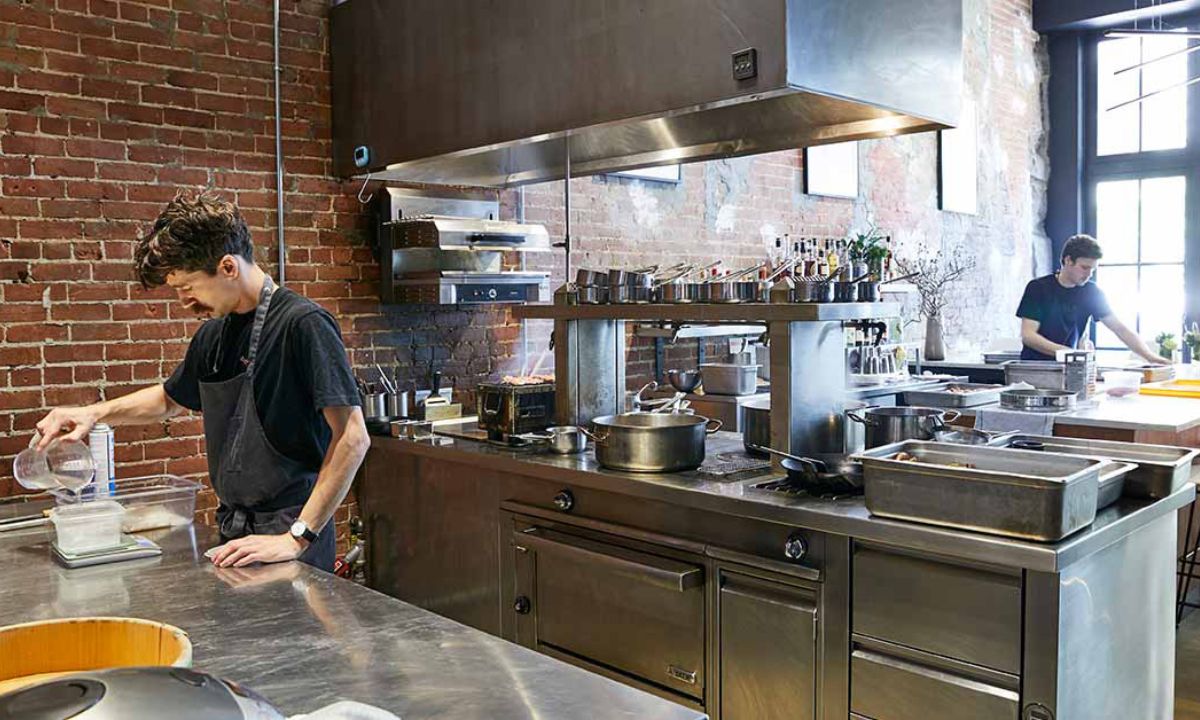
Anyone who’s worked a Friday night shift knows the dining room and the kitchen are basically two different worlds. Out front, everything looks easy. Guests are chatting over wine, plates show up right on time, and nobody seems to be in a hurry. Then you push through those swinging doors and it’s a different story entirely — pans clattering, someone calling out an order, a cook squeezing past another with a full tray held over his head.
Whether that back-of-house chaos actually works or just looks like it’s about to fall apart usually has less to do with the menu than people assume. It comes down to what’s sitting in that kitchen. The ovens, the fridges, the prep tables, the sink nobody thinks about until it’s backed up — that’s the stuff deciding whether a rush gets handled or barely survived.
So if you’re setting up a kitchen from the ground up, or finally swapping out equipment that’s been limping along for years, here’s a fairly honest rundown of what actually matters. Picking the right Restaurant Equipment tends to save a lot more time than owners expect once it’s actually running.
Cooking Equipment Comes First
This is where the whole operation starts. Ovens, ranges, fryers, griddles, broilers — none of it exists in isolation, and what you actually need depends heavily on what’s on the menu. A pizzeria without a proper oven isn’t really a pizzeria. A diner needs a flat-top that heats evenly across the whole surface, or the eggs on one side of the griddle come out different from the eggs on the other. A fried chicken place lives or dies by how fast the fryer recovers its temperature between batches, because if the first basket drops the oil too much, everything after it comes out worse.
Commercial cooking equipment isn’t really a bigger version of what you’d have at home. It’s built to run for hours without slowing down, which matters a lot once ten tickets hit the rail at the same time. It also keeps dishes consistent — the tenth plate of the night should taste like the first one, and that mostly comes down to equipment doing its job reliably, not the cook getting lucky.
Refrigeration That Actually Holds Up
Food safety isn’t something you can half do, and there’s no getting around needing enough cold storage for your volume. Reach-ins, undercounter units, worktop refrigeration, walk-ins, freezers — which mix makes sense depends on your space and how much perishable product moves through the kitchen day to day.
There’s also a layout side to this that gets overlooked a lot. When refrigeration is placed where cooks actually need it, nobody’s wasting thirty seconds mid-rush hunting through a walk-in for the shallots. A well-positioned undercounter fridge at a prep station is a small thing, but it adds up over a full shift.
Prep Equipment Buys Back Labor Hours
Mixers, slicers, food processors, blenders — this is the category that quietly eats up the most tedious manual work. If cooks are still chopping vegetables or portioning proteins by hand in bulk, that’s labor hours going somewhere they don’t need to.
Speed isn’t the only upside either. Everything comes out uniform — same slice, same portion, same weight — which matters both for how the plate looks and for keeping food costs from drifting. Combine decent prep equipment with a worktable layout that actually makes sense, and staff end up with more time for the parts of the job a machine can’t do.
Storage, Sinks, and the Stuff Nobody Notices
The big appliances get all the attention, but a kitchen’s real efficiency often comes down to boring things — stainless steel worktables, shelving, storage racks, commercial sinks. None of it photographs well for a restaurant’s Instagram, but it’s exactly what keeps the place from turning into a mess by seven o’clock on a Saturday.
A workstation laid out with some thought cuts down on wasted movement. Small things — an extra ten steps back and forth, a shelf that’s just out of reach — add up fast once you multiply them across an eight-hour shift. Commercial sinks matter here too, not just for washing up but for keeping the whole kitchen within code on hygiene.
Dishwashing Is the Bottleneck Nobody Talks About
Here’s something that surprises a lot of new owners: a kitchen can have the best line cooks in the city and still fall behind because dirty dishes are piling up faster than anyone can deal with them. Commercial dishwashers handle a volume manual washing just can’t keep up with, and separate units for glassware or pots and pans keep everything cycling back into service instead of sitting in a bin.
Good dishwashing setups don’t get much credit, but they’re directly responsible for whether clean plates and glasses keep flowing all night or service starts backing up.
Choosing What Actually Fits Your Kitchen
There’s no universal answer here. A bakery, a café, a pizzeria, a fast-food counter, and a full-service restaurant all need different setups, sometimes wildly different. Before spending anything, it’s worth sitting down and going through a few things:
– What the menu actually requires from cooking equipment
– The kitchen’s size and layout
– How many customers to expect during peak hours
– What utilities are available — gas, electric, water, ventilation
– Budget, both what gets spent now and what maintenance costs later
– How much room the business needs to grow into
Buying commercial-grade equipment from a supplier that’s actually reliable tends to pay off over time, mostly because it avoids the downtime and replacement costs that come from cutting corners early.
Where to Actually Source It
Buying equipment piece by piece from a dozen different vendors is exactly the kind of thing that slows a build-out down and quietly runs up the budget. CKitchen has been a factory-authorized dealer of professional kitchen equipment for over 42 years now, carrying names like Manitowoc, Beverage-Air, Vollrath, Globe, True, Falcon, and Atosa — cooking, refrigeration, prep, storage, dishwashing, all in one place instead of six.
They also do kitchen design consulting, financing, and free advice for owners still figuring out what their space actually needs. That kind of guidance is sometimes worth more than the equipment itself when you’re starting from scratch.
The Bottom Line
Kitchen equipment isn’t just a line on a startup budget. It’s what your restaurant runs on, every single day, whether anyone’s paying attention to it or not. Get the mix of cooking appliances, refrigeration, prep tools, storage, and cleaning equipment right, and the kitchen works. Get it wrong, and no amount of good cooking talent fully makes up for it.
Equipment chosen around how the kitchen actually moves — not what looks good in a catalog — is the difference between a rush that gets handled and one that just barely gets survived.